
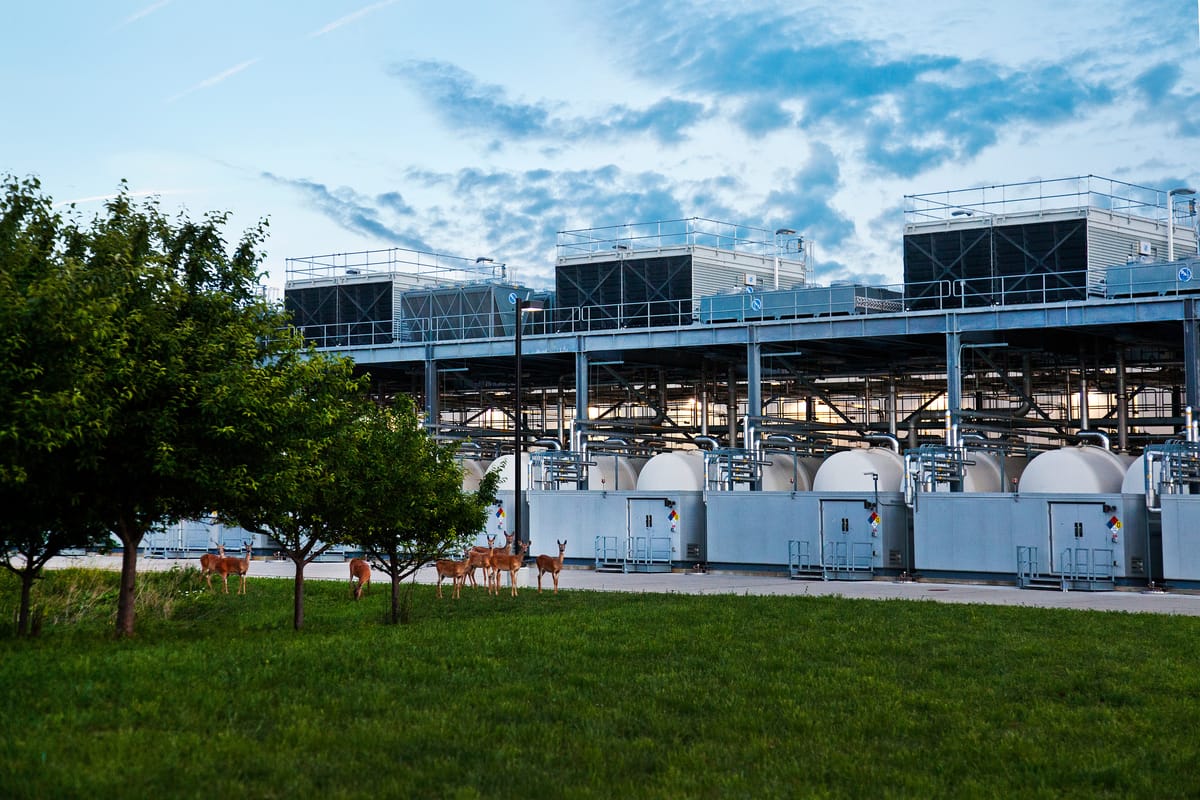

AUGUSTA, ME — In a move that could set a national precedent, the Maine Senate took a final vote on April 14, 2026, to enact a first-of-its-kind ban on large-scale data center developments. The legislation, LD 307, imposes a moratorium on any data center requiring 20 megawatts of power or more, effectively freezing several multi-million dollar projects until November 2027.
The bill now moves to the desk of Governor Janet Mills, who faces a tight deadline to decide the fate of the state’s digital and energy infrastructure.
A Grid Under Pressure
The primary driver behind the ban is a growing concern over the strain these “energy-hungry” facilities place on the regional power grid. If signed, LD 307 would:
- Pause Large Projects: Halt developments exceeding 20MW, including a $550 million project at a retired paper mill in Jay and a massive proposal at the former Loring Air Force Base in Limestone.
- Study Future Impact: Establish a council to project electric load demands on the New England grid and develop strategies to prevent spikes in electricity rates for Maine residents.
The legislation reflects a shifting national mood. While Maine is the first to pass such a ban, at least 10 other states, including Vermont, New Hampshire, and New York, are reportedly weighing similar restrictions.

Political and Economic Crosswinds
The bill passed with a largely partisan split; most Democrats supported the measure while most Republicans opposed it. However, the decision for Governor Mills is complicated by her current primary race for the United States Senate and her recent regional commitments to energy growth.
Just last month, Mills joined a six-state bipartisan pact to explore advanced nuclear technology to meet the region’s long-term power needs. Opponents of the ban, such as Patrick Woodcock, CEO of the Maine State Chamber of Commerce, argue that data centers are the very customers needed to fund such advanced energy projects.
Community Backlash vs. Industrial Opportunity
For many Mainers, the debate hits the wallet. A recent Quinnipiac University poll revealed that 65% of Americans oppose AI data centers in their communities, with 72% of those opponents citing rising electricity costs as their primary concern. In Maine, the nonprofit Our Power reported that nearly 5,000 residents sent letters to legislators supporting the ban.
However, supporters of the industry argue that data centers could fill the “holes” left by Maine’s shuttered mills. While the Sentinel Data Centers project in Jay (slated for 150MW) would be stymied by the law, some smaller developers are already pivoting. LiquidCool Solutions in Limestone announced they will move forward with their project by capping their electric load at precisely 19.9 megawatts to circumvent the ban.
The 10-Day Countdown
Governor Mills has 10 days to sign the bill, veto it, or allow a “pocket veto” to occur if the legislature adjourns.
With U.S. data center power demand projected to hit 106 gigawatts by 2035—a massive leap from current capacity—Maine’s decision will signal whether the “Pine Tree State” will be a hub for the AI revolution or a fortress against its environmental and financial costs.