
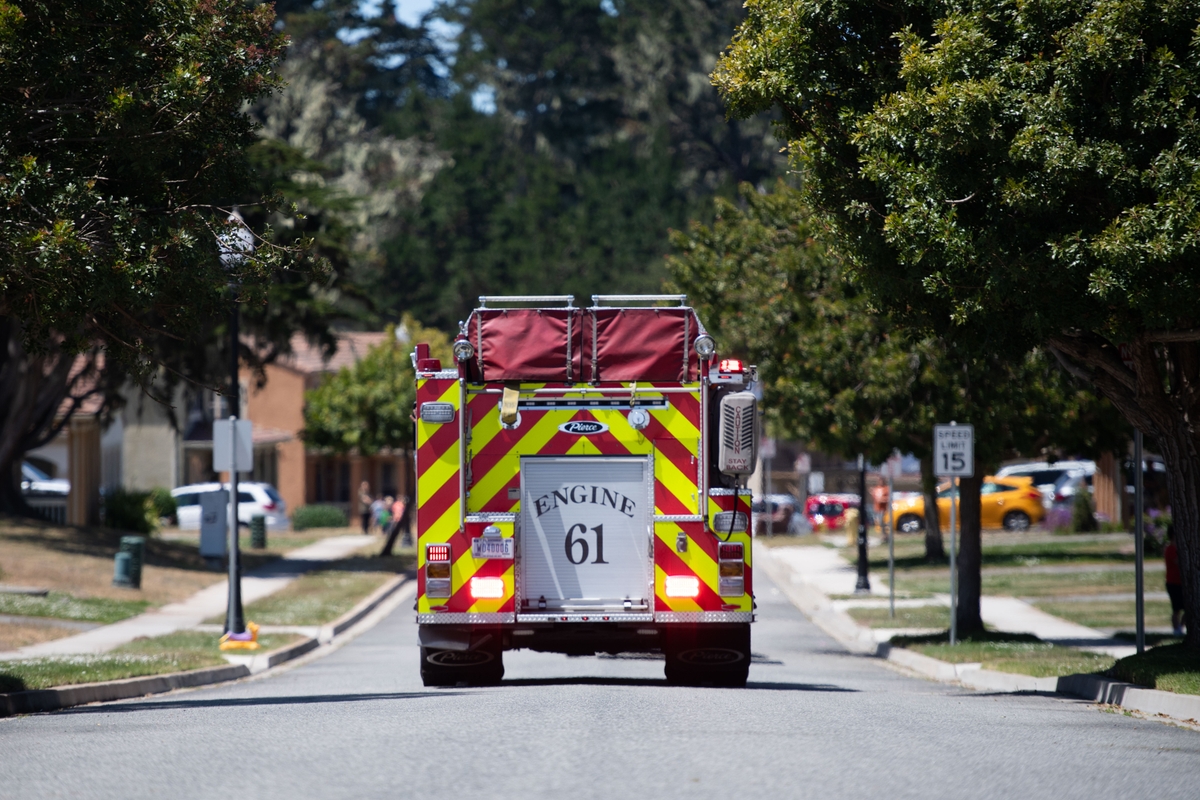

COLUMBUS, Ohio — Ohio Governor Mike DeWine has officially signed House Bill 20 into law, a new piece of legislation aimed at protecting first responders and keeping bystanders from interfering during emergency situations.
The bill, which was co-sponsored by State Representative Meredith Craig (R-Smithville), establishes strict legal boundaries to ensure emergency personnel can safely carry out their duties without threat or distraction.
Creating the Offense of Harassing a First Responder
At the core of House Bill 20 is the creation of a new criminal offense: harassing an emergency service responder.
Under the new law, an individual can be charged if they:
- Ignore warnings: Refuse to comply after receiving an explicit warning from emergency personnel to back away.
- Violate the 15-foot zone: Remain within 15 feet of a first responder who is actively performing their official duties.
- Interfere or threaten: Actively disrupt the responder’s work or threaten them with physical harm.
The legislation also expands the definition of an “emergency service responder” to officially include probation officers, granting them the same protections as police officers, firefighters, and medical personnel.

Stepped-Up Penalties for Obstruction
In addition to the new distance restrictions, House Bill 20 significantly toughs the consequences for individuals who obstruct official business:
- Standard Obstruction: The penalty for obstructing official business has been elevated from a second-degree misdemeanor to a first-degree misdemeanor.
- High-Risk Obstruction: If an individual’s interference creates a direct risk of physical harm to a first responder, the offense escalates dramatically from a second-degree misdemeanor to a fourth-degree felony.
Personal Connection and Community Impact
For co-sponsor Representative Craig, the passage of this bill represents a deeply personal victory for law enforcement families.
“As the wife of a Wayne County Sheriff’s Deputy, this legislation hits close to home,” Craig said in a statement. “Ensuring that our first responders feel safe while performing their duties is essential. When we protect those who protect us, everyone in our community benefits.”
When Does It Take Effect?
Ohioans can expect the new regulations to go into effect soon. House Bill 20 is officially scheduled to become law in early October 2026.