

OMAHA, NE — Federal health officials are mobilizing an emergency response following a rare hantavirus outbreak linked to the cruise ship M/V Hondius, currently located in the Atlantic.
The Centers for Disease Control and Prevention (CDC) confirmed today that while they are actively monitoring the situation, the overall risk to the general American public remains “extremely low.”
Repatriation to Nebraska
The U.S. government has announced that its top priority is the safe return of American citizens currently aboard the vessel. Impacted passengers are scheduled to be evacuated via a specialized U.S. government medical repatriation flight.
The flight will land at Offutt Air Force Base in Omaha. From there, passengers will be transported to the National Quarantine Center at the University of Nebraska, Omaha, a premier facility designed for high-consequence infectious diseases.
Boots on the Ground in the Canary Islands
The M/V Hondius is expected to dock shortly in the Canary Islands, where a deployed team of CDC epidemiologists and medical professionals is already waiting.

The CDC teams will perform several critical tasks:
- Risk Assessment: Conducting individual exposure evaluations for every American passenger.
- Monitoring Guidance: Determining the level of medical observation required for each individual based on their risk level.
- Coordination: Working with international partners to ensure global health safety standards are met.
Support for State and Local Authorities
In addition to the teams in the Canary Islands, a second CDC team is deploying to Offutt AFB to manage the arrival and assessment of the returning travelers. The CDC is also distributing specialized resources and guidance today to state and local health departments across the country to prepare them for any secondary monitoring needs.
Understanding Hantavirus
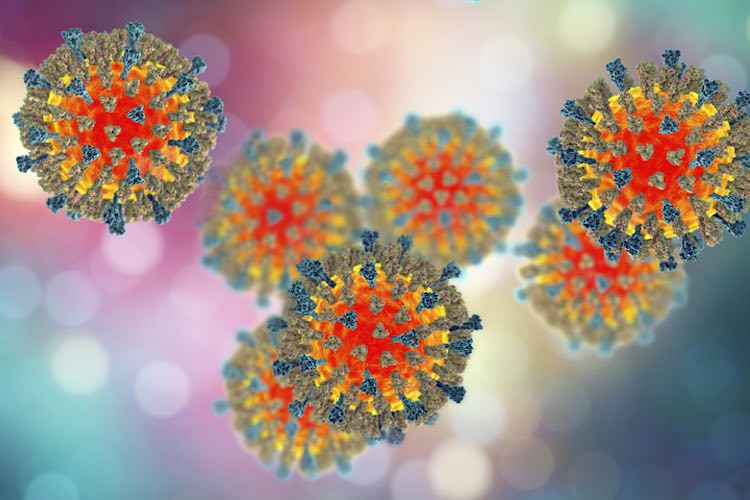
Hantaviruses are a family of viruses spread mainly by rodents. While rare, certain strains like the Andes virus—which has been linked to past outbreaks in South America—can be particularly concerning because they are among the few hantaviruses that may spread through person-to-person contact.
Symptoms often include fever, severe muscle aches, and fatigue, sometimes progressing to respiratory distress. Health officials have not yet specified which strain is responsible for the Hondius outbreak, but they emphasize that the current quarantine measures are purely a standard precaution to ensure public safety.