

COLUMBUS, Ohio — Ohio Governor Mike DeWine and Ohio Department of Development Director Lydia Mihalik have announced massive state backing for 13 transformational mixed-use development projects across the state. The initiatives are projected to generate more than $318 million in new payroll and inject a staggering $1.3 billion into Ohio’s regional economies.
Through the highly competitive fifth round of the Transformational Mixed-Use Development (TMUD) Program, the state is distributing more than $110 million in targeted tax credits across 10 distinct communities. While the program is funding high-profile skyscrapers and lakefront districts in major metropolitan hubs, it is also providing a crucial catalyst for rural and semi-rural areas—specifically spotlighting massive infrastructure expansions in Ross County.
“Ohio’s continued success depends on communities that are vibrant, welcoming, and ready for growth,” said Governor DeWine. “Through this program, we’re proud to help our local partners reimagine these properties as places where families can live, friends can gather, and Ohio’s next generation of entrepreneurs can invest in their futures.”
Ross County Spotlight: A New Healthcare Anchor for Southern Ohio
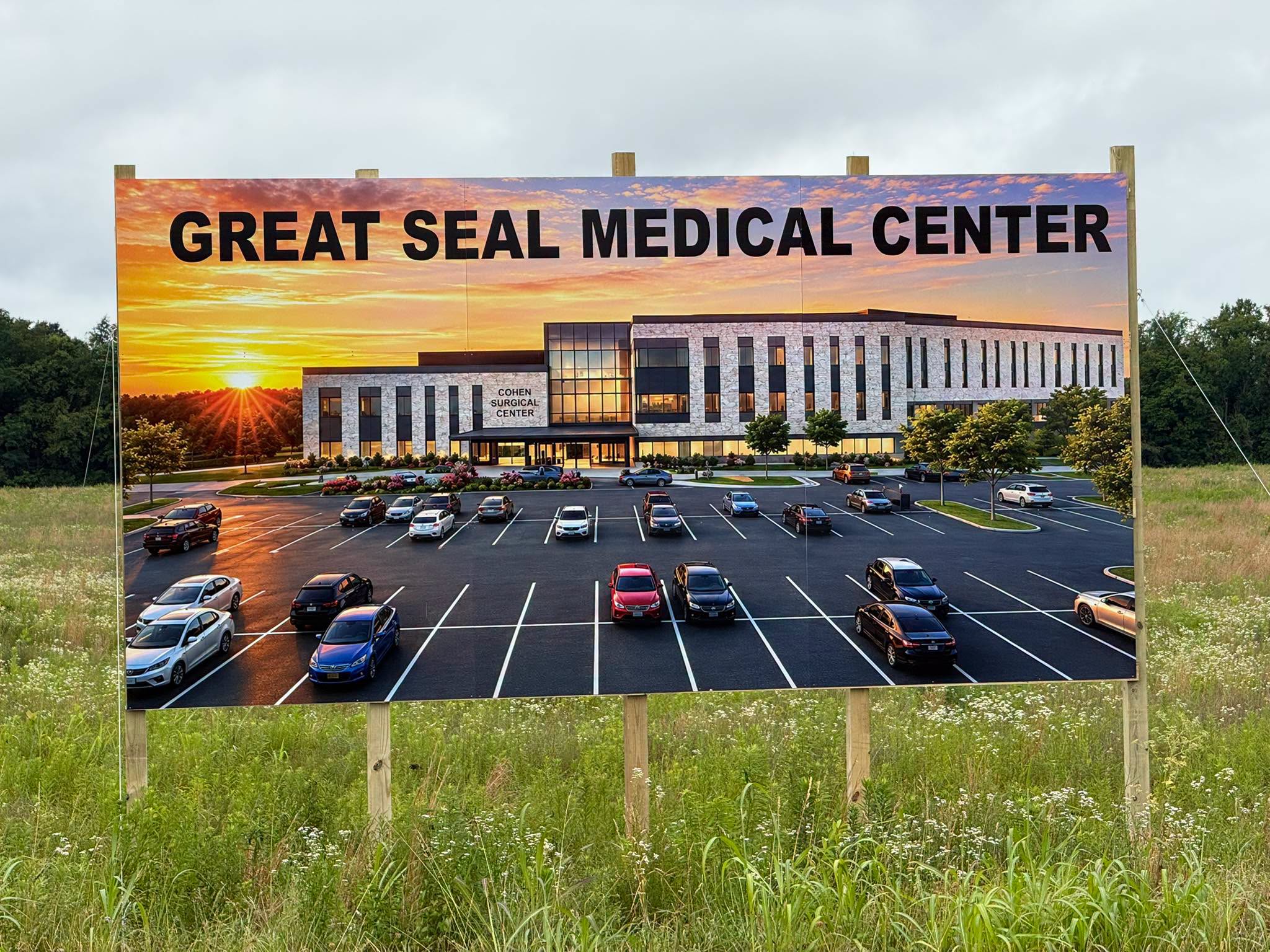
Coinciding with the state’s massive development push, local infrastructure in Chillicothe has cleared a major milestone. The Ross County Building Department has officially assigned the address 110 Cohen’s Way, Chillicothe, OH 45601 to the Great Seal Medical Campus, the future home of a state-of-the-art Medical Office & Ambulatory Surgery Center.
The multi-specialty medical development, led by Dr. Brian Cohen of Cohen Orthopedic in partnership with the Great Seal Medical Group and ValueHealth, spans approximately 47 acres of land off River Road in Chillicothe.
Designed as a patient-centered regional hub, the brand-new campus will feature:
- Urgent care and primary care clinics
- Advanced orthopedics and imaging centers
- Cardiology, vascular, and general outpatient surgery units
“The work continues, but milestones like this serve as a reminder that persistence, conviction, and purpose can overcome even the strongest headwinds,” Cohen Orthopedic shared in a statement. “The next chapter begins now.”
The project directly addresses critical healthcare access gaps in the Scioto River Valley and adjacent areas, including Pickaway, Pike, Jackson, and Highland counties. By establishing advanced ambulatory and specialized surgical infrastructure locally, the campus will dramatically reduce travel distances for residents who previously had to drive to major metropolitan areas like Columbus for treatment.
Statewide Economic Impact
The TMUD program, created in tandem with the Ohio General Assembly, utilizes tax credits to finance the construction of massive multi-use spaces and the rehabilitation of vacant properties. To qualify, projects must blend multiple sectors—such as retail, residential, office, and healthcare—into a single footprint.
Beyond the major rural health expansion in Chillicothe, this round of funding will drive several massive urban projects, including the transformation of vacant office spaces into housing at Cleveland’s Atrium I building, the expansion of Dublin’s Bridge Park, a 22-acre lakefront district in Sandusky, and the reimagining of the 4th and Walnut Center in Cincinnati.
“The Transformational Mixed-Use Development Program gives communities the tools to turn ambitious ideas into reality,” said Lydia Mihalik, Director of the Ohio Department of Development. “These projects will attract new investment, expand housing and business opportunities, and create stronger, more vibrant communities across Ohio.”
With the conclusion of this fifth round, the state has now awarded more than $510 million across 41 unique Ohio communities over the lifespan of the TMUD program, paving the way for long-term economic stability and modern infrastructure.