
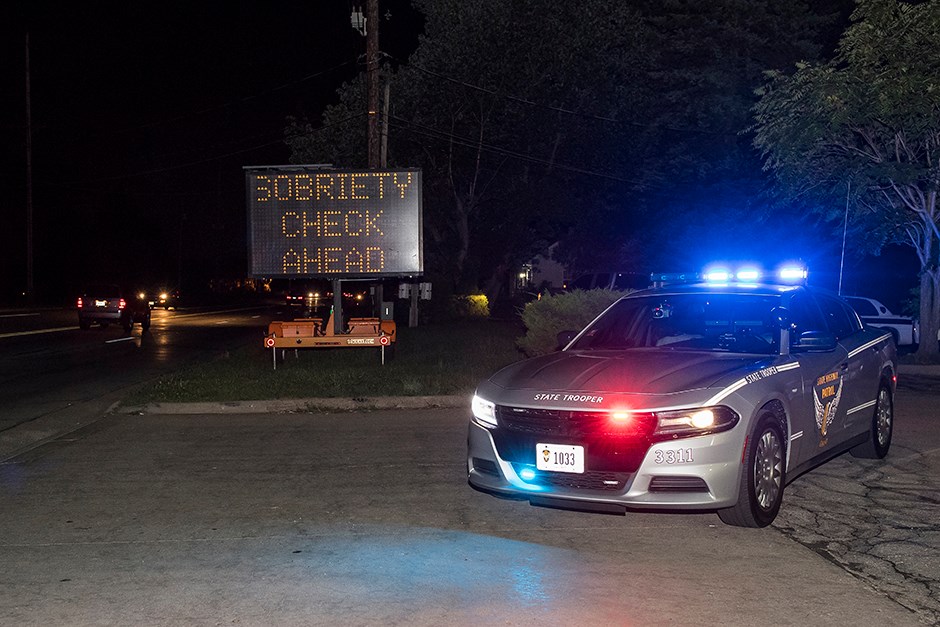

CIRCLEVILLE, Ohio — The Ohio State Highway Patrol announced plans to conduct an OVI (Operate a Vehicle Impaired) checkpoint this week in the Circleville area aimed at deterring and intercepting impaired drivers.
To maximize safety and compliance, state law requires specific advance notices for public sobriety checkpoints. The Highway Patrol will disclose the county location the day before the checkpoint takes place, followed by the exact site location on the morning of the operation.
Local law enforcement agencies will provide operational support during the checkpoint to assist state troopers.
Key Driver Checklist
- Plan Ahead: Designate a sober driver or arrange ride-share services before consuming alcohol.
- Stay Alert: Expect temporary traffic shifts or brief delays near the checkpoint location once announced.
- Report Impairment: Dial #677 in Ohio to report suspected impaired or dangerous drivers immediately.
State troopers strongly urge anyone planning to drink to make travel arrangements in advance, warning against the dangerous risks of driving under the influence.

OVI (sobriety) checkpoints must be announced in advance to remain constitutional under the Fourth Amendment, which protects citizens against unreasonable searches and seizures.
In the 1990 U.S. Supreme Court decision (Michigan Department of State Police v. Sitz), the Court ruled that while stopping drivers without individualized suspicion is technically a search/seizure, checkpoints are constitutional if they are conducted in a way that minimizes police discretion and limits intrusion on drivers.
Constitutional Requirements for OVI Checkpoints
- Public Notice: Announcing the date, time window, and general location in advance eliminates the “element of surprise.” It allows drivers who wish to avoid the checkpoint or clear the area to plan an alternate route.
- Deterrence over Ambush: The primary legal goal of a checkpoint is deterrence (preventing drunk driving before it happens) rather than setting a trap to maximize arrests.
- Neutral Guidelines: Police cannot pick and choose which cars to stop based on a officer’s hunch. They must follow a strict, predetermined math formula (such as stopping every 3rd or 5th vehicle).
- Clear Signage & Safety: Checkpoints must be clearly marked with signs, flares, and lights so drivers know they are approaching a legitimate traffic stop rather than a hazard.
If law enforcement fails to give proper advance public notice, any arrests or evidence gathered at the checkpoint can be thrown out in court for violating constitutional standards.