
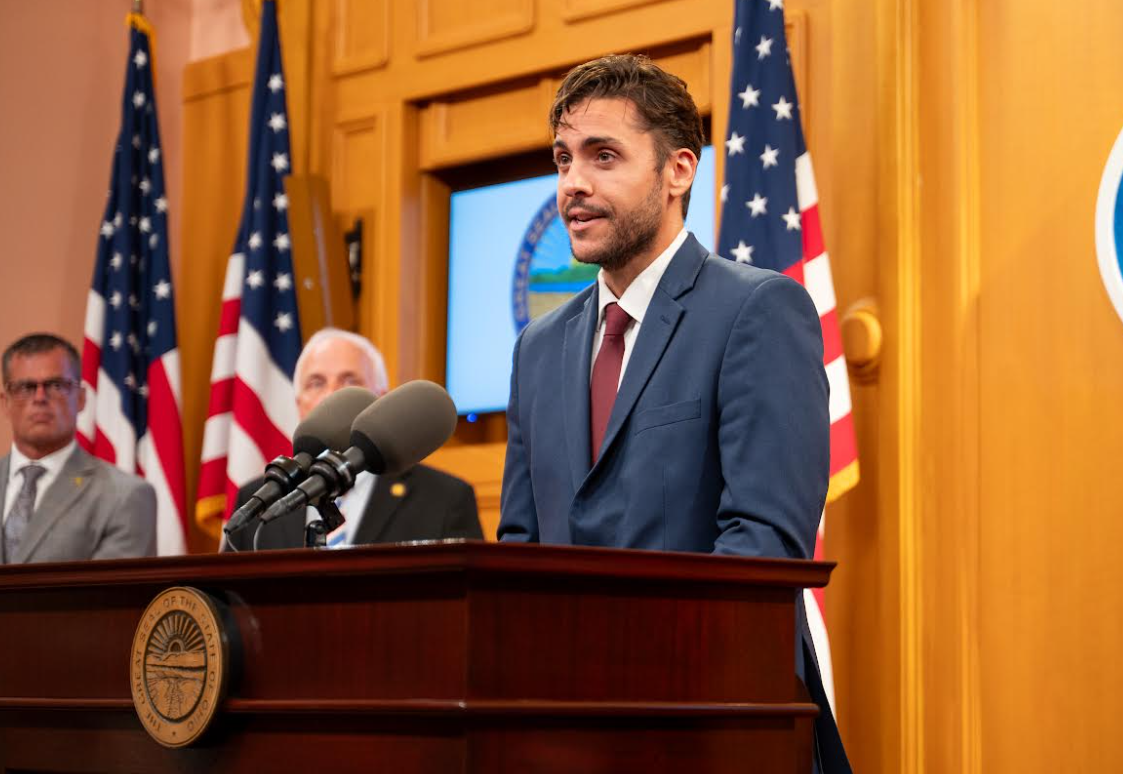

COLUMBUS, Ohio — Ohio Gov. Mike DeWine has signed an executive order creating a statewide certification framework for recovery housing operators, giving the Ohio Department of Behavioral Health greater authority to oversee recovery residences across the state.
The order, signed Monday, Aug. 10, comes as Ohio has seen rapid growth in the number of recovery homes operating statewide. State officials say the new system is intended to improve safety, accountability and consistency while expanding access to substance-use recovery services.
“Recovery housing provides hope, stability, and a pathway to long-term recovery for thousands of Ohioans,” DeWine said. “As Ohio continues to invest in behavioral health and recovery services, we have a responsibility to ensure these programs operate with the highest levels of accountability, transparency, and integrity.”
According to the governor’s office, the number of recovery houses in Ohio has increased from 356 in 2022 to more than 1,700 today.

Recovery housing provides substance-free living environments where people working toward recovery can establish routines, develop life skills and receive peer support while transitioning toward independent living.
State officials said the rapid expansion has also been accompanied by an increase in recovery homes operating without appropriate certification or with unsafe or poor living conditions. Officials said those concerns have been particularly significant in parts of Southern Ohio.
Under Executive Order 2026-03D, the Ohio Department of Behavioral Health will establish and administer a centralized certification program for recovery housing operators.
The department will also have direct authority to receive complaints, investigate potential violations and enforce compliance.
The new oversight system will include:
- Statewide certification of recovery housing operators
- Consistent standards for recovery residences
- Increased monitoring and compliance
- Greater transparency and accountability
- Additional protections for residents
“This transition is about building a stronger recovery housing system for the future,” said DBH Director Tia Marcel Moretti. “Most recovery housing providers are dedicated professionals who work tirelessly to help Ohioans rebuild their lives. They deserve a fair, transparent, and consistent regulatory framework that recognizes quality, protects residents, and promotes public trust.”
Southern Ohio Lawmaker Supports New Oversight
State Rep. Justin Pizzulli, R-Scioto County, praised the executive order and said it represents a significant change for Southern Ohio.
“When someone reaches out their hand for help, we have a responsibility to make sure the hand reaching back isn’t there to exploit them,” Pizzulli said. “I’d like to thank Governor DeWine and Director Moretti for listening and taking action. Today marks a new chapter for Southern Ohio.”
Pizzulli previously championed House Bill 58, legislation aimed at addressing what lawmakers described as gaps in Ohio’s regulation of recovery housing. The Ohio House passed the legislation unanimously.
The governor’s executive order incorporates several provisions contained in House Bill 58.
New Statewide Certification System
The Ohio Department of Behavioral Health is expected to work with recovery housing operators, local behavioral health organizations, county Alcohol, Drug Addiction and Mental Health boards, recovery advocates and other stakeholders as the new system is implemented.
State officials said the goal is to provide an orderly transition while minimizing disruptions for people currently living in recovery residences.
The new certification system is intended to establish consistent expectations for recovery housing operators while giving state officials additional tools to respond to complaints and unsafe conditions.
Additional information about recovery housing certification and the new requirements is available through the Ohio Department of Behavioral Health.