
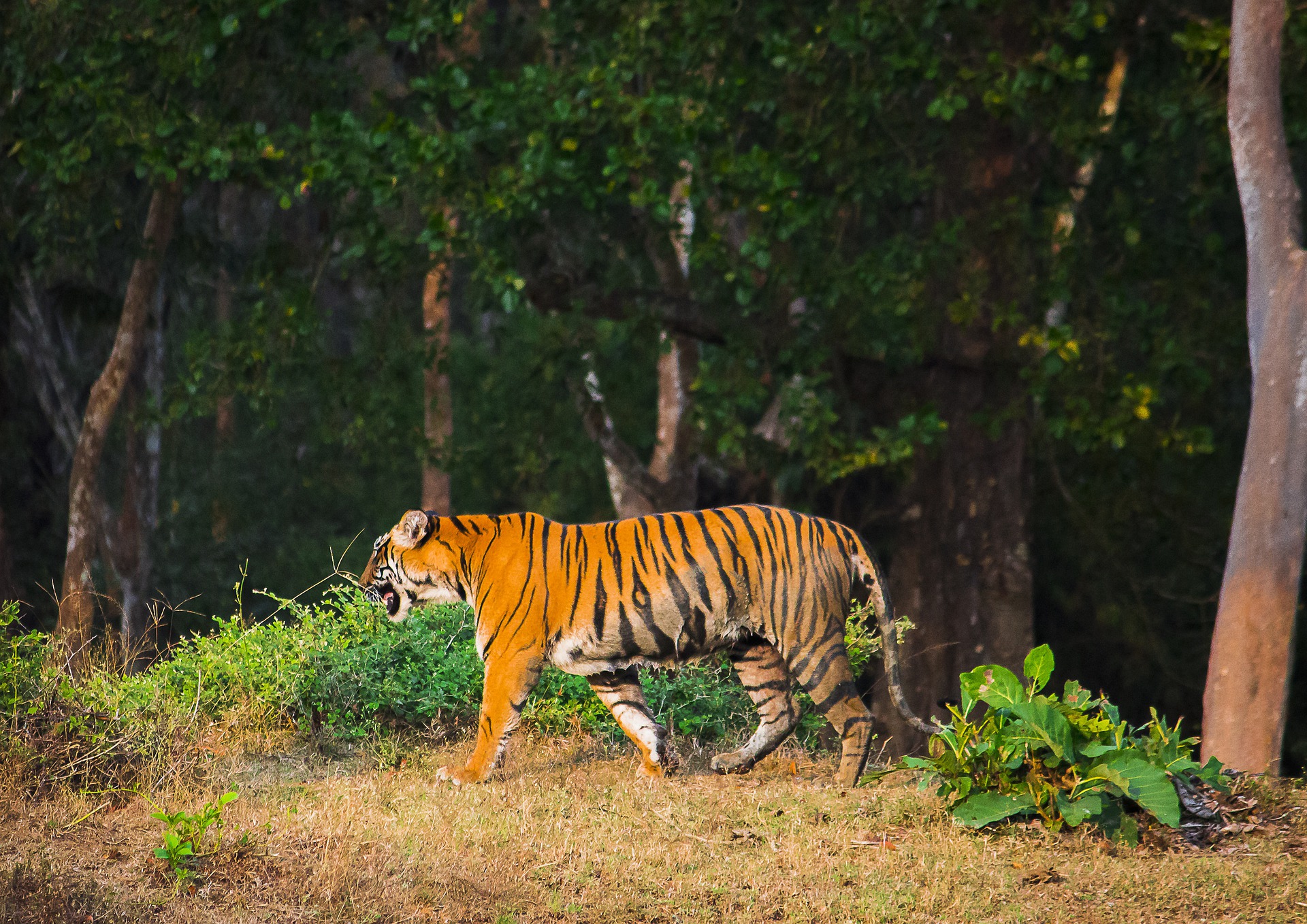

POWELL, Ohio — The Columbus Zoo and Aquarium has welcomed a new resident from halfway around the world as part of an international effort to help protect one of the planet’s most endangered big cat species.
Sarang, a 4-year-old female Amur (Siberian) tiger, arrived at the Powell zoo on July 16 after traveling from Seoul Zoo in South Korea. Her relocation marks the culmination of more than two years of planning and collaboration between the two institutions through the World Association of Zoos and Aquariums’ (WAZA) Global Species Management Plan (GSMP).
The transfer was first recommended in 2023 and required extensive international coordination, including veterinary planning, permits, specialized transportation, and cooperation among conservation organizations dedicated to preserving genetically healthy populations of Amur tigers.
Columbus Zoo President and CEO Tom Schmid said Sarang’s arrival represents a global commitment to preventing the species from disappearing.

“We’re grateful to our partners at the Seoul Zoo for entrusting Sarang to our care,” Schmid said. “Helping save these endangered species from extinction is a shared commitment that extends beyond any one institution or country.”
Officials with Seoul Zoo said they are proud to contribute to international conservation efforts and hope Sarang’s move will play an important role in securing the future of the endangered species.
Specialized International Journey
Sarang’s trip from South Korea to Ohio involved close coordination between zoological institutions, veterinarians, wildlife officials, and logistics experts.
DHL Express managed the international transport, ensuring the tiger’s travel was completed as safely and efficiently as possible while prioritizing her wellbeing throughout the journey.
The Columbus Zoo thanked both Seoul Zoo and DHL Express for their roles in making the relocation possible.
Joining Growing Tiger Family
Sarang now joins Lewis and Clark, two young Amur tiger brothers who arrived at the Columbus Zoo earlier this year through the Association of Zoos and Aquariums’ (AZA) Amur Tiger Species Survival Plan.
The three tigers are part of carefully managed breeding recommendations designed to strengthen the long-term survival of the species in accredited zoological institutions.
Following her arrival, Sarang entered a routine quarantine and acclimation period under the care of the zoo’s Animal Care and Conservation Medicine teams. Officials said she will be given time to adjust before moving into her permanent habitat, and a public debut date has not yet been announced.
One of the World’s Rarest Big Cats
Amur tigers are the largest of all tiger subspecies and are uniquely adapted to survive in the cold, snowy forests of Russia’s Far East and northeastern China.
The species faces continued threats from habitat loss, poaching, and human-wildlife conflict. Conservationists estimate only about 500 Amur tigers remain in the wild, making international breeding and conservation partnerships critical to the species’ future.
The Columbus Zoo said Sarang’s arrival highlights the importance of global cooperation among accredited zoos, conservation organizations, and international partners working together to protect endangered wildlife for future generations.