
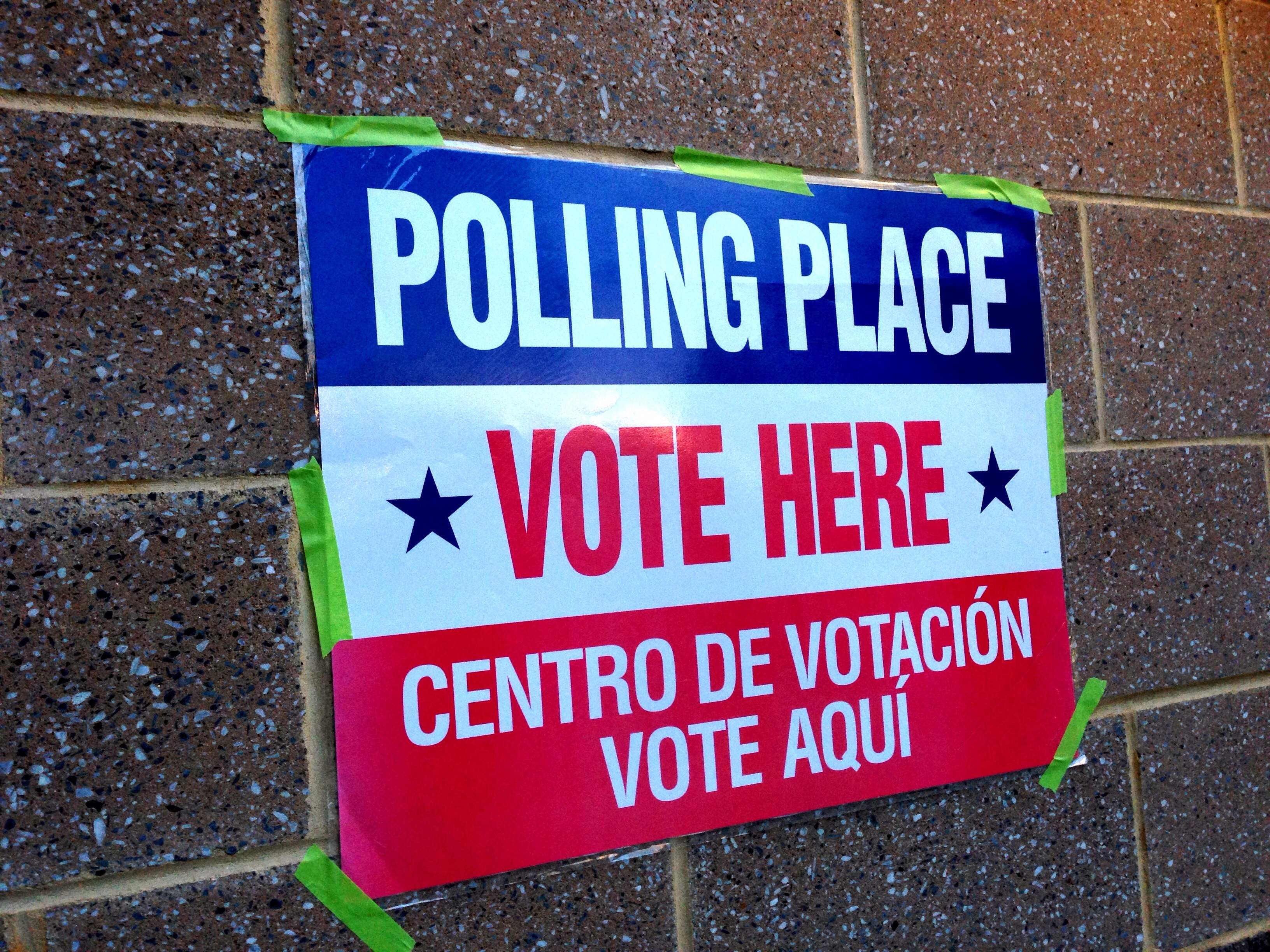

Ohio voters will head to the polls this fall with a full slate of statewide candidates on the ballot, but only one statewide issue will appear before them.
The Ohio Ballot Board has approved the final language for Issue 3, a proposed constitutional amendment that would require voters to show government-issued photo identification for in-person voting.
The measure would place Ohio’s current voter ID requirements into the state constitution, making future changes more difficult. Ohio has required photo identification for in-person voting since 2023 after legislation approved by the Republican-controlled General Assembly and signed by Gov. Mike DeWine took effect.
Supporters of Issue 3 say adding the requirement to the Ohio Constitution would create a permanent standard for elections.
“By enshrining this language in the Constitution, we are really setting a floor, so that future general assemblies won’t be able to go backwards,” state Sen. Theresa Gavarone (R-Bowling Green) said Monday.

Under current law, acceptable identification includes an Ohio driver’s license, an Ohio identification card, a United States passport or passport card, or a military ID. The proposed amendment would preserve those requirements and make future changes to voter identification rules more difficult.
Supporters have pointed to polling showing broad public support for photo identification requirements. The Pew Research Center reported that more than 80% of Americans surveyed in 2025 supported requiring voters to show photo ID.
Opponents, including Democratic lawmakers, argue the amendment could create additional barriers for voters and say the measure is unnecessary because photo ID requirements are already in place.
“My colleagues, sometimes, are short-sighted,” state Sen. Bill DeMora (D-Columbus) said Monday. “It’s bad. Every Democrat voted against this, in the House and the Senate.”
The approved ballot language also includes provisions involving absentee voting. If approved by voters, the amendment would require identification for mail-in ballots unless lawmakers create an alternative verification process that includes a signature and at least one additional unique identifier.
The amendment would also allow an alternative method of identity verification for voters who have a religious objection to being photographed.
No citizen-led constitutional amendment proposals qualified for the 2026 ballot, including efforts involving property taxes and restrictions on large-scale data centers.
Ohio Secretary of State Frank LaRose said the signature requirements and process for placing constitutional amendments before voters are intentionally difficult.
“That’s a good thing,” LaRose said Monday. “If you’re going to bring a question in front of the voters to amend the very founding document of our state, there should be a high bar for that.”
The Ohio Ballot Board approved the wording voters will see on the ballot Nov. 3. The decision comes less than 100 days before Election Day, when Ohioans will decide whether to add the photo ID requirement to the state constitution.