
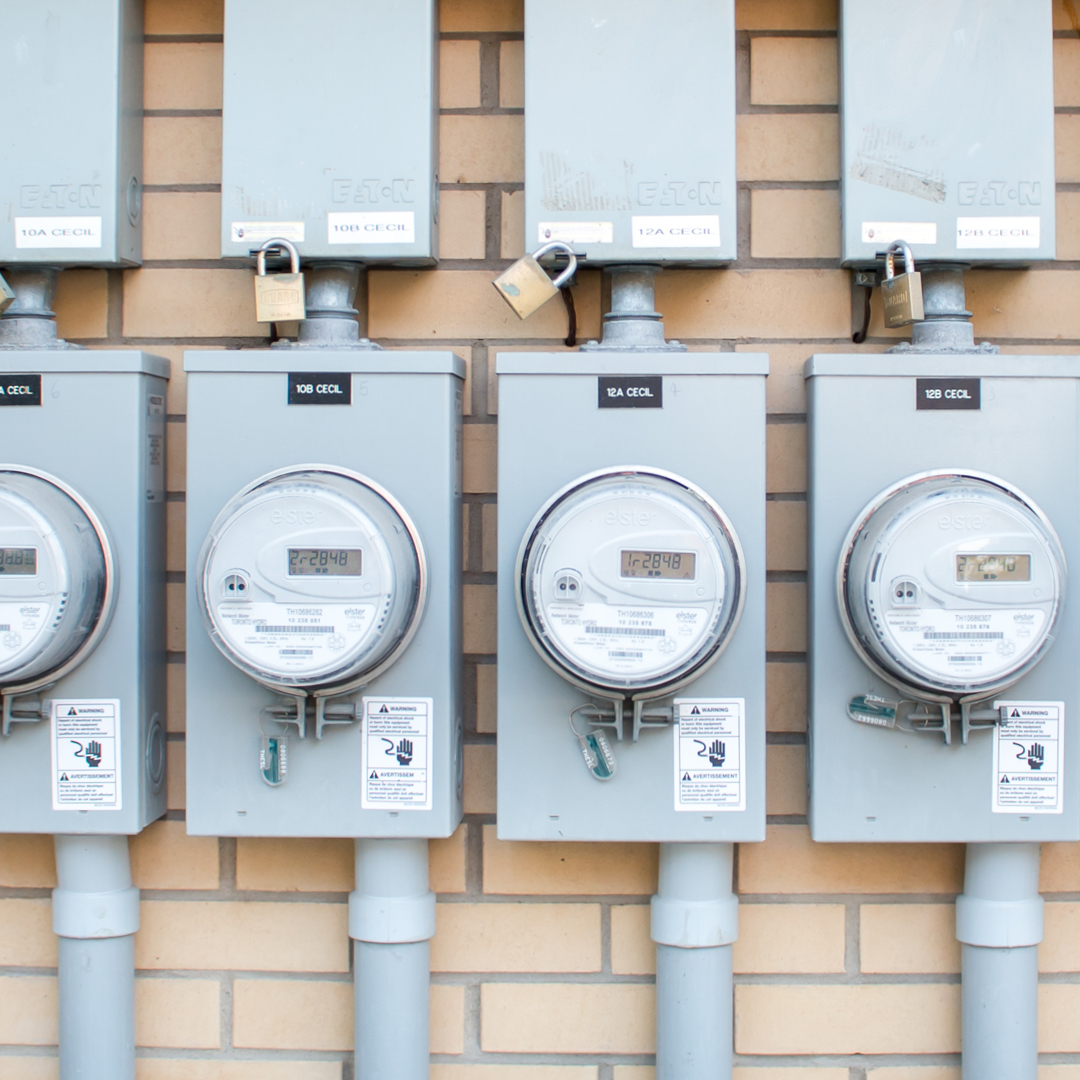

COLUMBUS, OH — In a landmark decision released Wednesday, April 22, 2026, the Supreme Court of Ohio ruled that third-party submetering companies—firms that buy electricity from utilities and resell it to apartment tenants—are “public utilities” and must be regulated by the state.
The 6-1 decision reverses a previous order by the Public Utilities Commission of Ohio (PUCO), which had argued it lacked the authority to oversee such companies.
The Case: AEP Ohio vs. Nationwide Energy Partners
The legal battle began in 2020 when Nationwide Energy Partners (NEP) contracted with landlords of five large Columbus-area apartment complexes. Under these deals, NEP claimed the exclusive right to supply electricity to tenants, effectively replacing AEP Ohio as the service provider.
NEP purchased electricity at lower commercial rates from AEP and resold it to tenants at higher residential rates, keeping the profit. While NEP argued it was merely an “agent” for landlords, AEP filed a complaint, alleging that NEP was operating as an unregulated utility.

Why the Court Intervened
Justice R. Patrick DeWine, writing for the majority, dismissed the PUCO’s previous stance that apartment tenants are not “consumers” under state law.
“Tenants who purchase electricity are consumers of electricity and NEP is in the business of supplying electricity; therefore, NEP is a public utility,” DeWine explained.
Key findings by the Court included:
- Direct Service: From a tenant’s perspective, NEP acts exactly like a utility—it reads meters, sends bills, offers payment plans, and has the power to disconnect service for non-payment.
- Profit, Not Convenience: The Court noted that NEP purchases approximately $8.5 million of electricity annually. Reselling power isn’t an “incidental” part of a landlord’s job; for NEP, it is their primary business.
- Lack of Agency: The Court rejected the idea that NEP was just a landlord’s assistant, characterizing the relationship instead as a “monopoly right” purchased by NEP to resell electricity to a captive audience.
What This Means for Ohio Tenants
For years, tenants in submetered complexes have voiced concerns over high fees and a lack of consumer protections, as submetering companies were not subject to the same strict rules as traditional utilities like AEP or Duke Energy.
With this ruling:
- PUCO Oversight: The PUCO now has the legal authority (and obligation) to regulate NEP’s rates, billing practices, and service standards.
- Consumer Protections: Tenants may soon have access to the same dispute resolution and “bill of rights” protections afforded to all other Ohio utility customers.
- Precedent: The ruling likely applies to other submetering companies operating across the state, potentially affecting thousands of apartment residents from Columbus to Cleveland.
Next Steps
The Supreme Court has remanded the case back to the PUCO for further proceedings. The commission must now determine how to integrate these companies into their existing regulatory framework.