

COLUMBUS, Ohio — Dave Yost is renewing his push to restart executions in Ohio, calling years of delays a failure of the justice system and a disservice to victims’ families.
The comments came with the release of his eighth and final annual “Capital Crimes” report, which outlines the history and status of every death penalty case in the state since 1981.
“Not a single sentence has been carried out” during his time in office, Yost said, describing the situation as “a mockery of the justice system and of the dead and their families.”
According to the report, 337 people have received a total of 342 death sentences in Ohio since capital punishment was reinstated in 1981. However, only 56 executions — about one in six — have been carried out. The last execution in the state took place in 2018.

Ohio currently has one of the largest Death Row populations in the country, with more than 100 inmates awaiting execution. On average, those sentenced to death spend nearly 23 years on Death Row before an execution date is set, largely due to lengthy appeals processes.
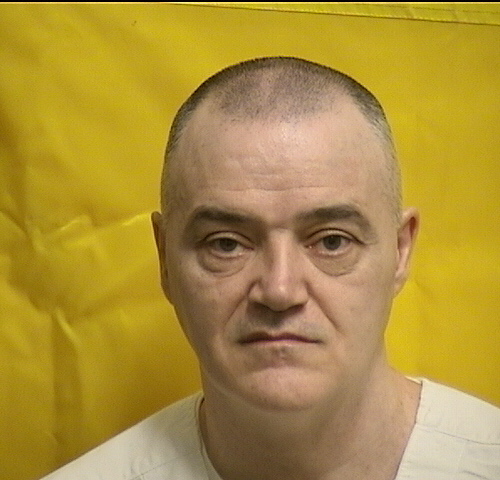
Ross County’s Lawrence Landrum, 55, has been on death row since 1986 after being convicted of murdering Harold White during the course of burglarizing White’s home. His execution had been slated ever since. Lawrence his housed in Ross County Correctional not to far from where he murdered.
The report also notes that dozens of inmates have died while awaiting execution, including from natural causes or suicide. One inmate died earlier this year after spending nearly four decades on Death Row.
Yost pointed to multiple factors behind the ongoing delays, including legal challenges and the difficulty in obtaining drugs used for lethal injections, as pharmaceutical companies have increasingly refused to supply them.
Potential changes could be on the horizon. Yost said Ohio is awaiting federal action following an executive order by Donald Trump aimed at restoring access to execution drugs. Meanwhile, state lawmakers are considering legislation that would allow nitrogen hypoxia as an alternative execution method.
Yost voiced strong support for those efforts, arguing that those sentenced to death have already exhausted extensive legal appeals.
“It is past time that we do right by the victims,” he said.
The future of capital punishment in Ohio remains uncertain as policymakers continue to debate how — or whether — executions should resume.