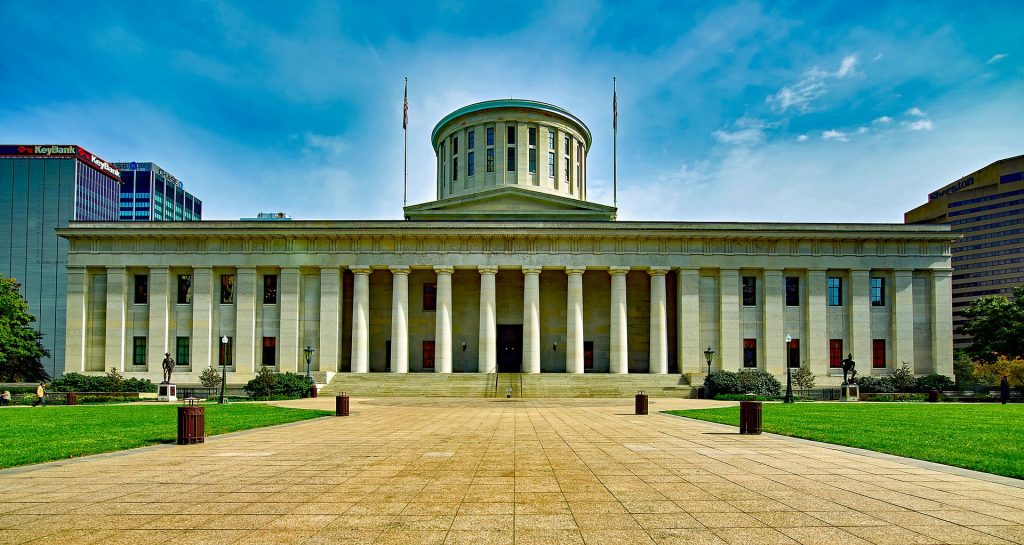

COLUMBUS, Ohio — In a move that has reignited a fierce statewide debate over parental rights and artistic expression, the Ohio House of Representatives officially passed House Bill 249 on Thursday, March 26, 2026. The legislation, titled the Indecent Exposure Modernization Act, now heads to the Ohio Senate for consideration.
The bill, sponsored by Republican lawmakers, aims to increase penalties for indecent exposure in the presence of minors, but its broad language regarding “adult-oriented performances” has civil rights advocates sounding the alarm.
The “Adult Cabaret” Clause
While the bill’s stated intent is to modernize decades-old indecency statutes, the most contested portion creates a new criminal offense: Unlawful Adult Cabaret Performance. Under the proposed law, it would be a felony to provide an “adult-oriented” performance—which includes “harmful” expressive dancing or “gender-impersonating” performances—on public property or in any location where a minor could view it.
Proponents argue:
- Child Safety: Supporters say the bill creates a necessary “buffer zone” to ensure children aren’t exposed to sexually suggestive content in public parks or libraries.
- Community Standards: “This isn’t about stopping adults from doing what they want in private clubs,” said one GOP co-sponsor. “It’s about protecting the innocence of children in the public square.”
The Pushback: “Broad and Vague”
Opponents, including the ACLU of Ohio and several LGBTQ+ advocacy groups, argue the bill is a thinly veiled attempt to ban drag shows and could even impact mainstream theater or pride parades.

The primary concerns include:
- Free Speech: Critics argue that “gender impersonation” is protected expression under the First Amendment and that the bill’s definitions are intentionally vague.
- The “Shakespeare” Problem: Legal experts have pointed out that under the current wording, a traditional production of a Shakespearean play (where men traditionally play female roles) could technically be classified as a felony if a child is in the audience.
- Economic Impact: Business owners in Columbus’s Short North and Cincinnati’s Northside express concern that the liability of hosting brunch shows or live music could become too high to risk.
What Happens Next?
The bill passed the House along mostly party lines. It now moves to the Ohio Senate, where leadership has expressed interest in “fine-tuning” the definitions before a final vote. Governor Mike DeWine has not yet indicated whether he would sign the bill in its current form, though he has previously emphasized a preference for local control over state mandates on social issues.