

VALLEY CITY, Ohio — Forget the gold pans; people in Northeast Ohio are reaching for magnets and metal detectors.
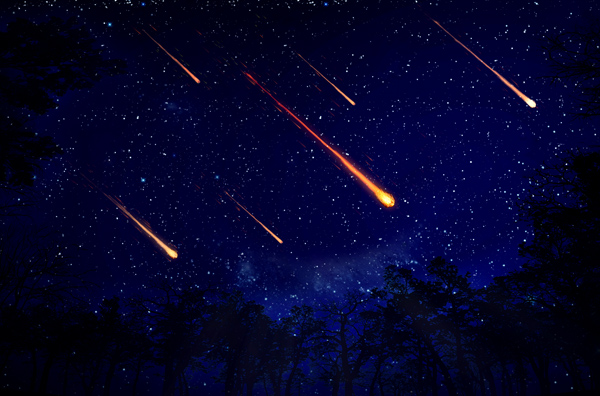
Following a spectacular “once-in-a-lifetime” fireball that rattled windows across the state on Tuesday, March 17, 2026, a new kind of “Gold Rush” has officially begun. NASA has confirmed that a 7-ton asteroid, roughly six feet in diameter, exploded over Valley City with the force of 250 tons of TNT, likely showering the southern Medina County countryside with rare space rocks.
The Find of a Lifetime
For professional meteorite hunters and local hobbyists alike, the race is on. On Wednesday, just 24 hours after the blast, recovery teams from the American Meteor Society and independent hunters were already spotted scanning River Styx Park and surrounding fields in Wadsworth.
The first confirmed “strike” came late Wednesday when Roberto Vargas, a professional hunter who traveled from Connecticut for the event, confirmed he had already recovered at least three fragments in the Medina area.

What is an Ohio Meteorite Worth?
If you’re lucky enough to find a piece of the “Valley City Fall,” you aren’t just holding a rock—you’re holding a paycheck. Meteorite value is determined by three things: Rarity, Weight, and Origin.
| Meteorite Type | Estimated Value (per gram) |
| Common Stone (Chondrite) | $0.50 – $5.00 |
| Iron/Nickel | $2.00 – $20.00 |
| Rare Carbonaceous | $100.00 – $500.00+ |
| Lunar/Martian | $1,000.00+ |
The “Freshness” Factor: Because this fall was witnessed and the rocks are “pristine” (unweathered by Earth’s rain or soil), they command a premium price from museums and private collectors. A walnut-sized fragment could easily fetch $500 to $1,000.
Who are the “Meteor Hunters”?
It’s a mix of two worlds:
- The Professionals: International “star chasers” who monitor Doppler radar and seismic data to triangulate “strewn fields” (the landing zone). They often travel thousands of miles within hours of a boom.
- The Enthusiasts: Local residents like Ryan Connor of North Royalton, who uses a specialized camera array to track fireballs, or neighbors like Chris Mutnansky, who spent Wednesday afternoon at River Styx Park “just to check it out.”
Know the Law: Who Owns the Space Rock?
Before you grab a flashlight and head to Medina, remember the “Finders Keepers” rule does not apply in Ohio.
- Private Property: In the U.S., a meteorite belongs to the owner of the land where it falls. If you find one on a neighbor’s farm without written permission, you are trespassing and the rock legally belongs to them.
- Public Parks: Removing rocks from state or local parks is generally prohibited without a specific permit.
- Written Consent: Expert hunters recommend getting a signed agreement with landowners before you start searching, often offering a “50/50 split” of the find’s value.
How to Spot a Meteorite
If you’re out hunting this weekend, look for these three signs:
- Fusion Crust: A thin, black, eggshell-like coating caused by the heat of entry.
- Regmaglypts: Small indentations that look like “thumbprints” in the rock.
- Magnetism: Most meteorites contain iron and will attract a strong magnet.