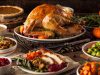


CIRCLEVILLE, Ohio — With Thanksgiving arriving next week on Thursday, Nov. 26, food safety officials are reminding holiday cooks that frozen turkeys require far more thawing time than many people expect — meaning larger birds need to move from the freezer to the refrigerator as early as this Friday.
According to the U.S. Department of Agriculture (USDA), improper thawing is one of the most common holiday kitchen mistakes, increasing the risk of foodborne illness when poultry is left at unsafe temperatures.
When to Start Thawing for Thanksgiving 2026
When thawing a turkey in a refrigerator set at 40°F or below, the USDA recommends allowing roughly 24 hours for every 4 to 5 pounds of meat. Working backward from Thursday, Nov. 26, cooks should move frozen birds into the refrigerator by the following dates:
- 20 to 24 pounds: 5 to 6 days — start by Friday, Nov. 20
- 16 to 20 pounds: 4 to 5 days — start by Saturday, Nov. 21
- 12 to 16 pounds: 3 to 4 days — start by Sunday, Nov. 22
- 4 to 12 pounds: 1 to 3 days — start by Monday, Nov. 23
Because a refrigerator-thawed turkey can safely stay in the fridge for an additional one to two days before roasting, starting a day early gives hosts a comfortable buffer without risking spoilage.

The Three Safe Ways to Thaw a Turkey
The USDA recognizes only three safe methods for defrosting poultry:
- Refrigerator Thawing (Safest and Easiest): Leave the turkey in its original, unopened packaging and place it breast-side up on a rimmed baking sheet or shallow pan on the bottom shelf of the refrigerator. The tray catches leaking juices and prevents raw poultry liquid from dripping onto other foods.
- Cold-Water Thawing (Best Last-Minute Option): If you run short on time, keep the turkey in its leak-proof wrapping — or seal it inside a leak-proof plastic bag — and submerge it completely in cold tap water. Change the water every 30 minutes to keep it cold. Allow about 30 minutes of thawing time per pound, meaning a 16-pound bird will take roughly eight hours and a 20-pound bird will take 10 hours. Unlike refrigerator thawing, a turkey thawed in cold water must be cooked immediately afterward.
- Microwave Thawing (For Smaller Birds): If your turkey is small enough to fit comfortably in your microwave, remove all outer wrapping, place it on a microwave-safe dish to catch drips, and follow your appliance manufacturer’s defrost instructions by weight. Because parts of the meat can begin warming or cooking during defrosting, microwave-thawed turkeys must also be cooked immediately.
Methods to Avoid — and a Zero-Thaw Backup
Food safety experts warn against thawing a turkey on the kitchen counter, in hot water, or in an unmonitored garage or porch. When left at room temperature, the outer layer of the bird quickly warms into the bacterial “Danger Zone” — between 40°F and 140°F — where harmful bacteria multiply rapidly even while the center remains frozen solid.
If Thanksgiving morning arrives and your turkey is still frozen, you do not have to cancel dinner. The USDA notes it is completely safe to cook a turkey straight from its frozen state, though it will take at least 50 percent longer to roast. Regardless of how the bird is thawed or cooked, always verify doneness with a food thermometer, ensuring the internal temperature reaches at least 165°F in the thickest part of the breast, the innermost wing, and the innermost thigh.