

COLUMBUS, Ohio — Two Ohio state representatives have introduced legislation that would significantly change how townships incorporate as cities, lowering population thresholds and removing what they call unnecessary legal barriers.
State Reps. David Thomas (R-Jefferson) and Adam Mathews (R-Lebanon) say the bill is designed to give township voters more control over their form of government — particularly in fast-growing communities.
Lowering the Population Requirement
Under current Ohio law, a township must have at least 25,000 residents before it can consider incorporation as a city. The proposed legislation would lower that threshold to 5,000 residents.
Supporters note that Ohio law already allows communities with 5,000 residents to qualify as a city, making the current 25,000-person requirement for townships inconsistent.
Eliminating Outside Approval
The proposal would also eliminate a requirement that forces a township seeking city status to obtain approval from every municipality within a three-mile radius.

Lawmakers argue that requirement has historically made incorporation nearly impossible, as neighboring cities and villages often provide services to surrounding townships and may have little incentive to support incorporation efforts.
Under the new proposal, the decision would rest solely with township voters.
Addressing Revenue and Tax Structure
Townships in Ohio rely heavily — and often exclusively — on property taxes to fund services such as police, fire protection, and road maintenance. Unlike cities, townships cannot levy income or sales taxes.
Supporters say incorporation could allow growing communities to diversify revenue streams and ease pressure on property owners by spreading tax responsibility more broadly.
“This legislation would make the decision of transforming a township into a municipality up to the voters of the township, not allowing that choice to be blocked by surrounding cities or villages,” Thomas said.
Potential Benefits of Incorporation
Backers say city status would grant “home rule” authority, allowing communities to:
- Exercise stronger zoning control
- Regulate public utility rates
- Adopt specialized building codes
- Better manage high-traffic commercial corridors
- Provide more specialized municipal services
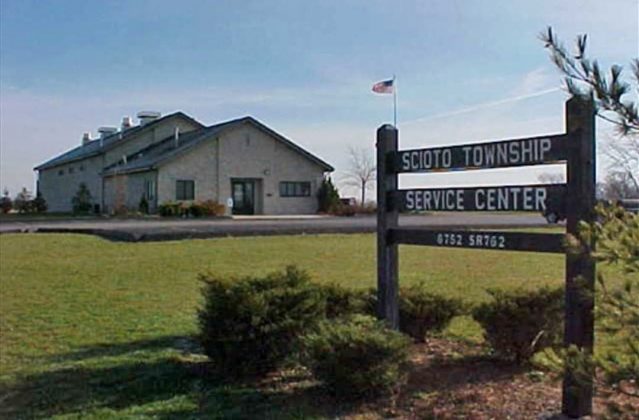
Communities such as Scioto Township in Pickaway County — which is approaching 12,000 residents and is larger than nearby villages like Commercial Point and Ashville — could potentially benefit from the additional flexibility, proponents argue.
Costs and Challenges
However, incorporation is not without challenges.
Townships converting to city status must fully fund municipal services, including police, fire, and complete road maintenance. First-year costs can range from approximately $500,000 to well over $1 million.
Experts also warn of a phenomenon known as “leveling up,” where wages, benefits, and service levels rise to match neighboring municipalities — potentially increasing long-term operating costs without necessarily improving efficiency.
Incorporation would also require establishing new administrative structures, such as a mayor or city manager, city council, law director, and finance department — adding layers of governance while providing greater autonomy.
A new municipality has the authority to dictate, via policy, that new utility connections within its limits connect to its own designated systems, limiting well use.
Legislative Outlook
The bill has been introduced and will move through the committee process in the coming weeks.
Supporters say the legislation is about flexibility and local control, particularly for growing townships that function increasingly like cities but remain limited by township governance structures.