
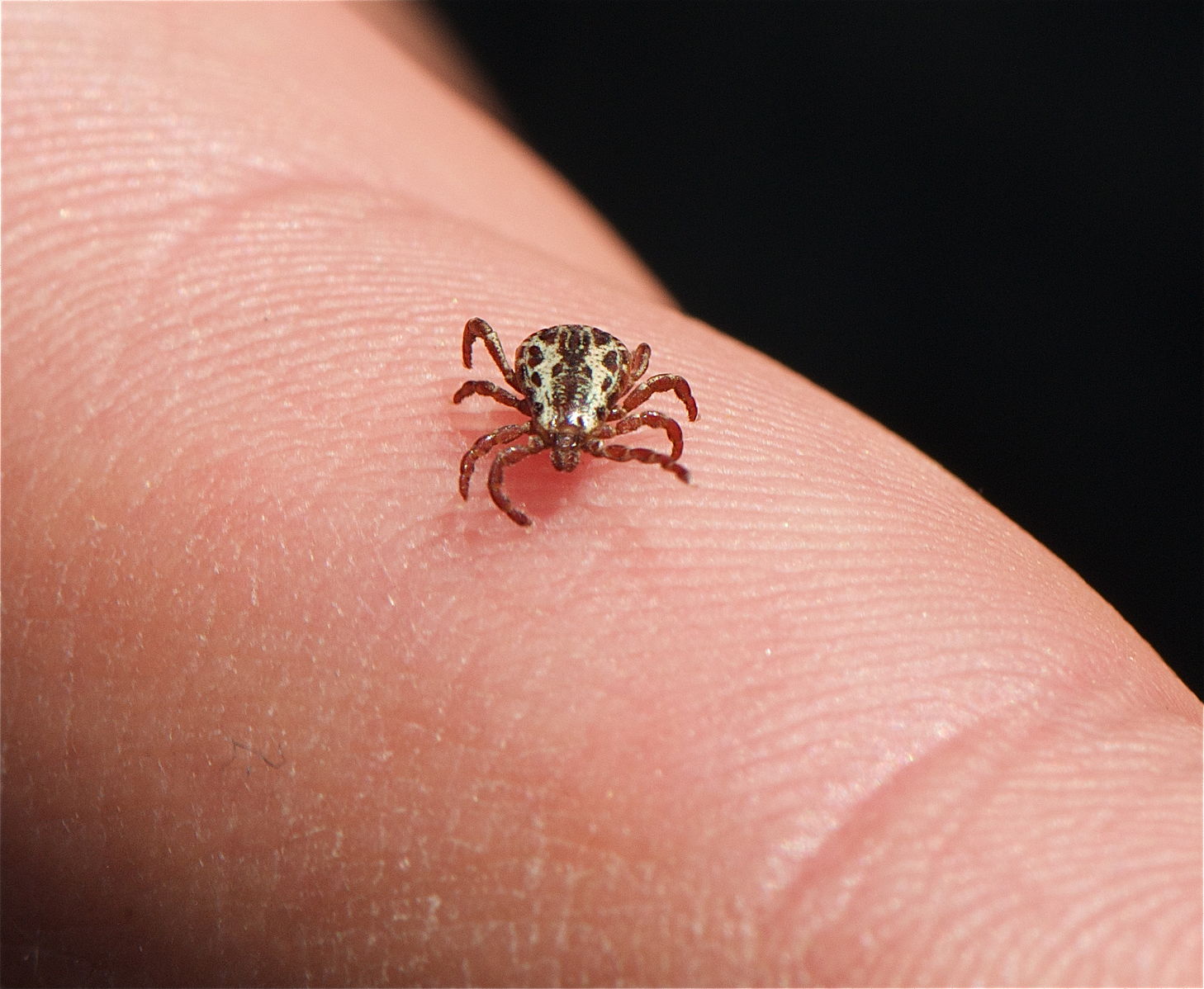

COLUMBUS, Ohio — Health officials are urging Ohioans to take strict precautions this spring and summer as new data reveals a staggering surge in Lyme disease cases across the state over the last 15 years.
According to the Ohio Department of Health (ODH), the state recorded just 40 cases of the tick-borne illness in 2010. By 2020, that number grew to 415. However, provisional data from 2025 shows cases have exploded nearly sevenfold to more than 2,800 annual infections—with state health officials warning the upward trend shows no signs of slowing down.
ODH Director Dr. Bruce Vanderhoff, MD, MBA, noted that the arrival of warmer weather marks the beginning of prime tick season.
“Anyone who enjoys the outdoors is at risk for a tick bite, but especially hikers, hunters, campers and others who spend time in wooded, brushy, or grassy areas,” Dr. Vanderhoff warned.

Experts attribute the massive spike to a combination of environmental and climate factors. Warmer average temperatures, increased humidity, and shorter periods of extreme winter cold have created ideal conditions for the blacklegged tick to survive and multiply. Additionally, Ohio’s recent decades of forest regrowth, paired with residential expansion into natural areas, have provided booming habitats for deer and rodents—the primary hosts for tick populations.
Simple Steps for Prevention
Fortunately, public health officials emphasize that Lyme disease is entirely preventable if individuals take proactive measures before, during, and after outdoor activities.
Dr. Richard Gary, State Public Health Entomologist and chief of ODH’s Zoonotic Disease Program, outlines key steps to avoid tick bites:
- Stick to the Center of Trails: Avoid walking through tall grass, heavy brush, and densely wooded areas.
- Cover Your Skin: Wear long pants, long sleeves, and long socks, taking care to tuck shirts into pants and pants into socks. Light-colored clothing is recommended to make crawling ticks easier to spot.
- Use Repellent: Apply EPA-registered tick repellents to exposed skin. For advanced protection, outdoor gear and clothing can be treated beforehand with products containing 0.5% permethrin.
Post-Outdoor Safety: The “Tick Check”
“Don’t give ticks a free ride,” Dr. Gary reiterated, advising everyone to perform a thorough “tick check” immediately after coming indoors.
Health officials recommend throwing outdoor clothing into the dryer on high heat for at least 10 minutes to kill any hitchhiking ticks. Shaking or washing clothes alone may not destroy them, but high heat will. Shaking off in a hot shower within two hours of coming inside is also highly effective for spotting ticks before they can attach and transmit disease.
Special attention should be paid to hidden spots on the body, including under the arms, inside the belly button, behind the knees, around the waist, and in the hair. Pet owners should also thoroughly check their animals around the ears, eyelids, tail, and between the toes.
What to Do If You Find a Tick
If a tick is found attached to the skin, official guidelines advise against panicking or using remedies like smothering it. Instead:
- Use fine-tipped tweezers to grasp the tick as close to the skin’s surface as possible.
- Pull upward with steady, even pressure. Do not twist or jerk the tick, as this can break off the mouthparts and leave them embedded in the skin.
- Clean the bite area thoroughly with soap and water or rubbing alcohol.
- Dispose of the tick by flushing it down the toilet or sealing it in a bag. Saving the tick in a container with alcohol can also help a doctor identify the species if symptoms develop later.
Symptoms to Watch For
Early symptoms of Lyme disease include fever, fatigue, joint pain, swollen lymph nodes, and a characteristic “bullseye” rash that expands from the bite site within one to two weeks.
If left untreated, the infection can spread throughout the body, causing debilitating long-term complications such as facial palsy, severe headaches, arthritis, heart palpitations, and nerve pain.
“Most tickborne diseases, including Lyme disease, can be treated with antibiotics, and early treatment can be key,” Dr. Vanderhoff said, reminding residents that a few simple safety habits will allow Ohioans to safely enjoy the state’s natural beauty all summer long.