
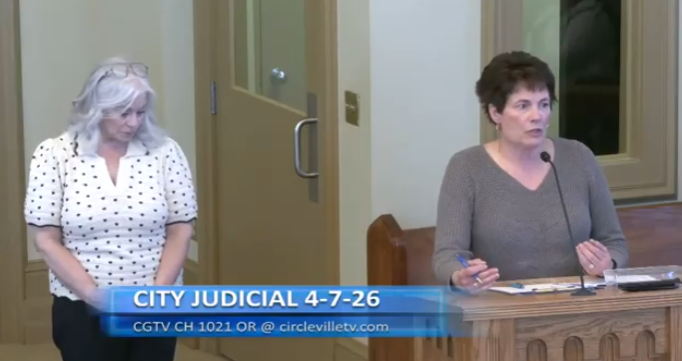

CIRCLEVILLE — A Tuesday night Judicial Committee meeting intended to explore the end of the city’s cannabis moratorium transformed into a sharp debate over public health, as local addiction experts challenged the “community partner” image presented by industry hopefuls. As the city’s moratorium on recreational cannabis reaches its final chapters, the Judicial Committee held a fast-paced session Tuesday, concluding exactly at 6:00 p.m. after hearing an expansion proposal from Pure Ohio Wellness, a “level one” cultivator looking to end Circleville’s status as a “cannabis desert.”
The session, which concluded promptly at 6:00 p.m., featured a tug-of-war between the economic promises of Pure Ohio Wellness and the sobering warnings of the Pickaway Addiction Action Coalition (PAAC).
“In Our Schools Already”
Susan Metzger, PAAC Administrator, pushed back against the idea that a local dispensary would be a harmless addition to the city. Citing data from student surveys across the county’s four school districts, Metzger warned that educators and counselors are already struggling to manage the presence of THC among youth.

“We know very well from our student surveys that THC cannabis is in our four school districts,” Metzger testified. “Educators and administration are all looking at ways to make sure kids don’t get involved. We are currently pursuing federal grants specifically to reduce marijuana use among our youth.”
Metzger also questioned the medical narrative presented by the industry, specifically the comparison of cannabis to traditional pain relievers. “Tylenol might last six to eight hours. How many doses of marijuana will you be ingesting to relieve pain? We don’t want to be relying on cannabis… we already have enough students who deal with mental illness, and this is their stepping stone.”
Proximity to Recovery Centers
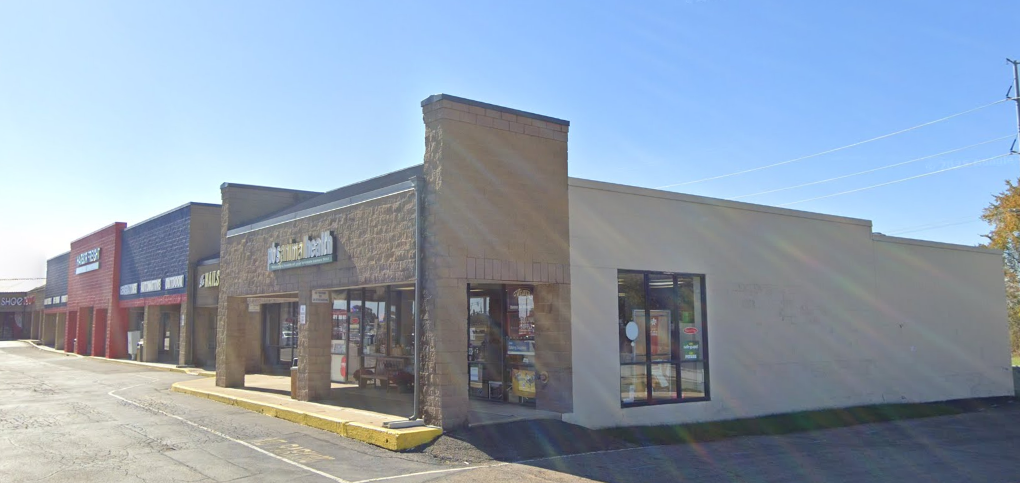
A major point of contention centered on the proposed location for the dispensary—the former pet supply store on Route 23. While the developer praised the site’s high traffic and ease of renovation, Metzger pointed out a significant geographic conflict.
“Right across the street from that pet supply store, as you cross over 23, you have an addiction recovery place,” Metzger noted. “People are in recovery from substances, and then to have this very close by to them? We are concerned about their recovery.”
Metzger characterized the presence of the dispensary as a contradiction to the city’s health goals, asking the committee, “What type of health are we promoting here? What are we telling our youth?”
THE PITCH
Unlike the multi-state conglomerates dominating the industry, Pure Ohio Wellness emphasized its roots as a family-based, Ohio-only operator. The company, owned by former professional motorcycle racer and Pataskala native Larry Pegram, presented a vision for a dispensary that functions as a community partner rather than just a retail outlet.
A Mission Born from Injury
A representative for the company explained that Pegram’s entry into the industry was personal. After witnessing widespread opioid and painkiller addiction within the professional racing circuit, Pegram founded the company in 2018 with the goal of providing a safer alternative for pain management.
“He thought this might be a good thing to combat addiction,” the spokesperson told the committee. “It’s an effective pain reliever without the side effects of pharmaceuticals.”
Economic Impact and Local Jobs
The company’s proposal focused heavily on the financial “win-win” for Circleville:
- Tax Revenue: Under Ohio’s 10% excise tax, 36% of the state’s share (amounting to 3.6% of gross sales) is returned to the host municipality. Pure Ohio Wellness estimates Circleville could see annual revenue between $215,000 and $422,000, based on performance in London and Dayton.
- Employment: The dispensary would create approximately 25 local jobs, with wages ranging from $15 to $40 per hour plus full health, dental, and vision benefits.
- Charitable Giving: The company committed to local philanthropy, noting they donated $29,000 to local charities in their existing host communities last year.
Revenue vs. Repercussions
While Pure Ohio Wellness highlighted the potential for $215,000 to $422,000 in annual tax revenue for the city, PAAC representatives argued that the “amount of dollars” brought in by the industry should be weighed against the long-term societal costs. Metzger noted that the convenience of having local access to cannabis—rather than driving to Chillicothe or London—is “the least of the concern” compared to the potential repercussions for Circleville families.
“The amount of parents who have come up to us saying ‘we had no idea’ about the prevalence and potency of these products is significant,” Metzger added, referencing a recent “Hidden in Plain Sight” demonstration at the county fairgrounds.
Next Steps for Council
The meeting ended with the Judicial Committee standing between two starkly different futures: one of a regulated, high-revenue “local” business and another of increased risk to the city’s youth and recovery communities. With the moratorium set to expire in May, the council must now decide if the 3.6% tax windfall is worth the potential impact on the city’s most vulnerable populations.
The Debate at a Glance:
- The Industry View: High-paying jobs, local ownership, veterans’ support, and hundreds of thousands in tax revenue to fix city infrastructure.
- The Coalition View: Increased youth access, potential triggers for those in recovery, and a lack of long-term data on the health impact of high-potency THC.
The Potential Site
The company has expressed interest in the former pet supply store on Route 23, citing its 2,800-square-foot layout as a functional minimum. If approved, Pure Ohio Wellness believes they could renovate and open the doors within four months, potentially generating tax revenue for the city before the end of 2026.
The meeting adjourned as scheduled, leaving council members to deliberate on whether to let the moratorium expire or seek further restrictions.