

By:Megan Henry
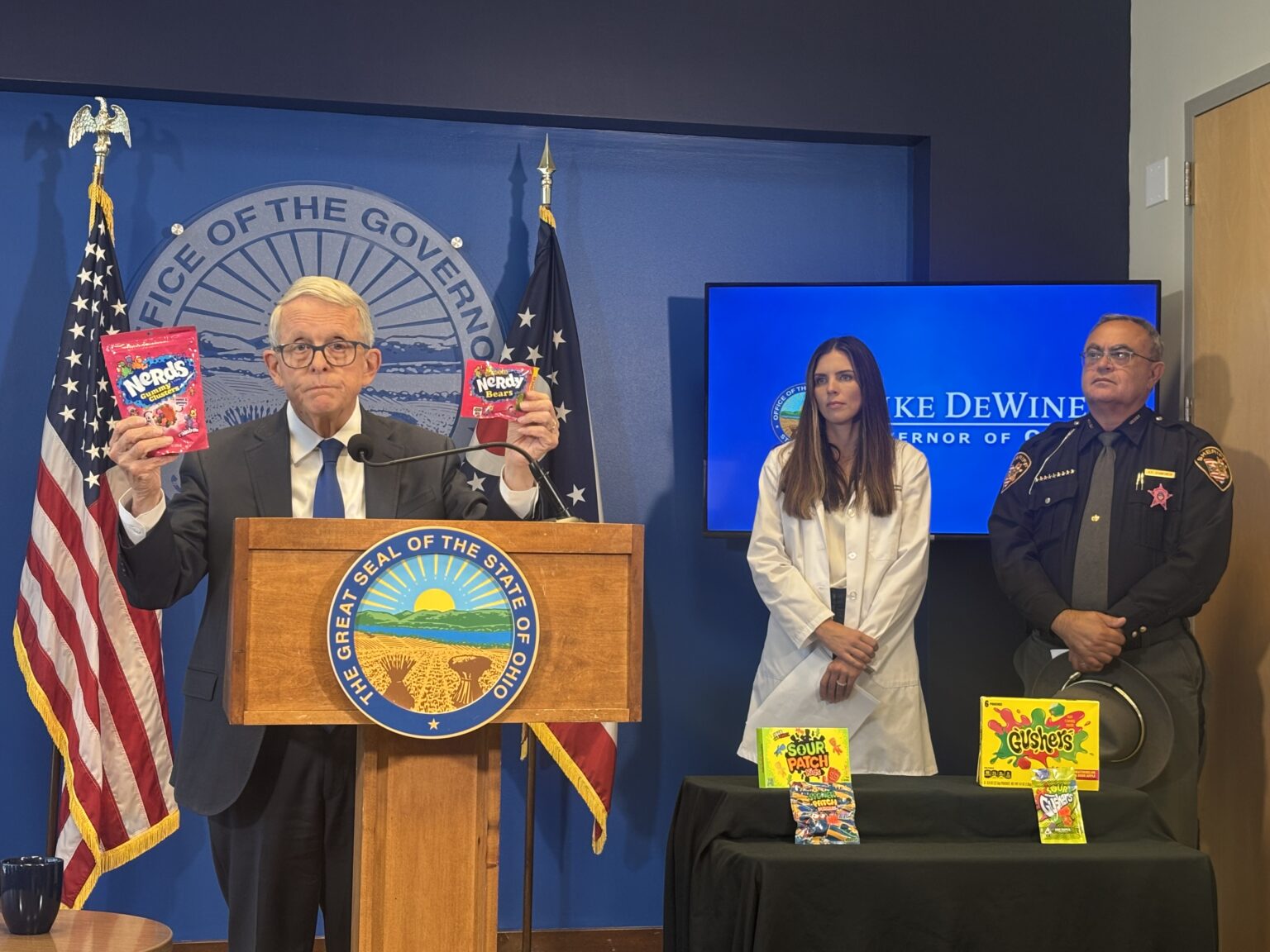
Ohio Gov. Mike DeWine signed a bill into law Friday that bans intoxicating hemp products and makes various changes to the state’s voter-passed marijuana law, including adding crimes such as making it illegal to bring legally purchased marijuana from another state back to Ohio.
DeWine signed Ohio Senate Bill 56, which will take effect in 90 days. He has been urging Ohio lawmakers to do something about intoxicating hemp products for the past nearly two years.
GET THE MORNING HEADLINES.SUBSCRIBE
Ohio’s bill complies with recent federal changes by banning intoxicating hemp products from being sold outside of a licensed marijuana dispensary.
In November, Congress voted to ban products that contain 0.4 milligrams of total THC per container earlier this month when they voted to reopen the government.
Those who work in the intoxicating hemp industry are worried this will put thousands of people out of business.

DeWine line-itemed vetoed the THC-infused beverage provision in the bill that would have allowed five milligram THC beverages to be manufactured, distributed, and sold in Ohio until Dec. 31, 2026.
“My veto means that they cannot be sold,” DeWine said during a Friday press conference.
“…The simplest thing, frankly, to do is to stop it right now instead of going until the date in November set by federal law.”
DeWine said he does not think THC beverages are a good idea.
“Ohio is making good public policy by enacting its own intoxicating hemp ban earlier than federal law,” DeWine said in his veto message “However, a carve out to allow the further sale of intoxicating hemp beverages for most of 2026 will create confusion for consumers and a lack of conformity with federal law.”
Ohio S.B. 56 had a provision that said if the federal government legalizes THC beverages, Ohio will consider “a more robust regulatory framework of these products,” according to the bill’s language.
“We got to this point because of poorly drafted federal legislation and people taking advantage of it,” Ohio House Speaker Matt Huffman, R-Lima, said.
“So speculating about what the federal government may do in the future and what we may do as a result, I think, adds to the same problem that has already been created.”
On the marijuana side, the bill would reduce the THC levels in adult-use marijuana extracts from a maximum of 90% down to a maximum of 70%, cap THC levels in adult-use flower to 35%, and prohibit smoking in most public places.
The bill gets rid of protections against discrimination for housing, employment, and organ donation. It also allows police to have probable cause during traffic stops if someone is a known user of marijuana.
The bill prohibits possessing marijuana in anything outside of its original packaging and criminalizes bringing legal marijuana from another state back to Ohio. It also requires drivers to store marijuana in the trunk of their car while driving.
Ohio S.B. 56 would give 36% of adult-use marijuana sale revenue to municipalities and townships that have recreational marijuana dispensaries.
The bill also maintains the 10% tax rate on recreational marijuana and keeps home grow the same at six plants per adult and 12 per residence. It also places a cap on 400 marijuana dispensaries in the state.
Ohioans passed a citizen-initiated law to legalize recreational marijuana in 2023 with 57% of the vote. Sales started in August 2024 and exceeded $702.5 million in the first year.
Ohio lawmakers can change the law since it passed as a citizen initiative not a constitutional amendment, something they have been trying to do since late 2023.
Ohioans for Cannabis Choice said they will be launching a referendum campaign
“S.B. 56 forcefully defies the will of the voters of Ohio,” said Dennis Willard, spokesperson for Ohioans for Cannabis Choice. “We believe voters will say no to government overreach, no to closing 6,000 small businesses and pink-slipping thousands of workers across the state, and no to once again re-criminalizing hemp and marijuana.”