
Columbus, Ohio — The Ohio Environmental Protection Agency (Ohio EPA) has released a draft general NPDES permit (OHD000001) that would allow data centers across the state to discharge wastewater and stormwater into surface waters, marking the first statewide regulation tailored to the booming industry.
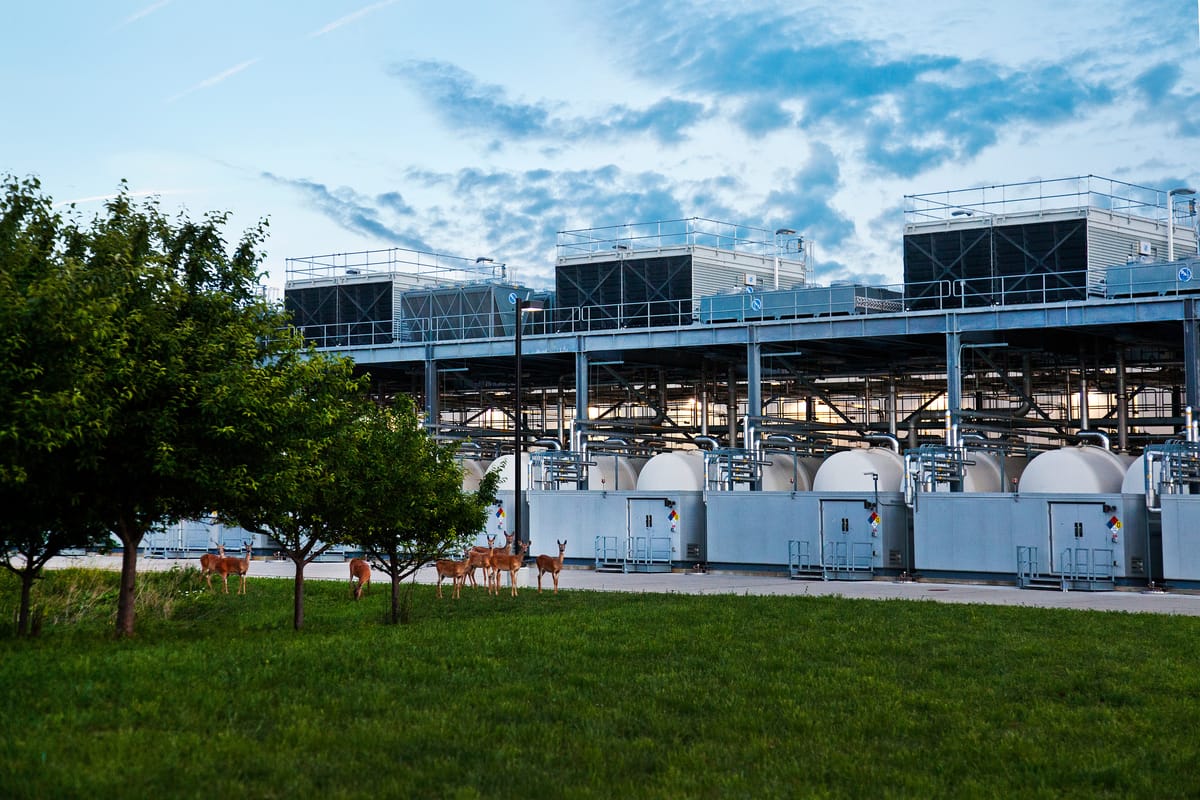
The proposal, aimed at streamlining permitting for facilities with similar operations, comes as Ohio hosts over 200 data centers — more than any other Great Lakes state — driven by massive server cooling needs. Data centers consume vast amounts of water to prevent overheating, generating discharges like non-contact cooling water, cooling tower blowdown, boiler blowdown, and industrial stormwater.
Under the draft, eligible facilities would submit a Notice of Intent (NOI) for coverage, facing requirements for monitoring parameters such as temperature, pH, total suspended solids, oil and grease, phosphorus, and residual chlorine/oxidants. Benchmarks (not strict limits) include 100 mg/L for suspended solids and 10 mg/L for oil and grease.
The permit explicitly states that “a lowering of water quality” in state waters is “necessary to accommodate important social and economic development,” invoking an antidegradation rule exemption for social/economic justification without full alternatives review.
Exclusions protect sensitive areas: no discharges near public water intakes, to most high-quality waters, lakes (except Lake Erie), or with high volatile organic compounds. Chemical additives require pre-approval.
Public reaction has been mixed. At a December 17, 2025, hearing in Columbus (in-person and virtual), dozens voiced opposition, citing risks to varied watersheds, lack of site-specific reviews, and no mention of PFAS (“forever chemicals”) used in some cooling systems. Environmental groups argued a “one-size-fits-all” approach overlooks facility differences and cumulative impacts.
Ohio EPA maintains the general permit matches or exceeds individual permit rigor in monitoring while providing predictability for developers.