
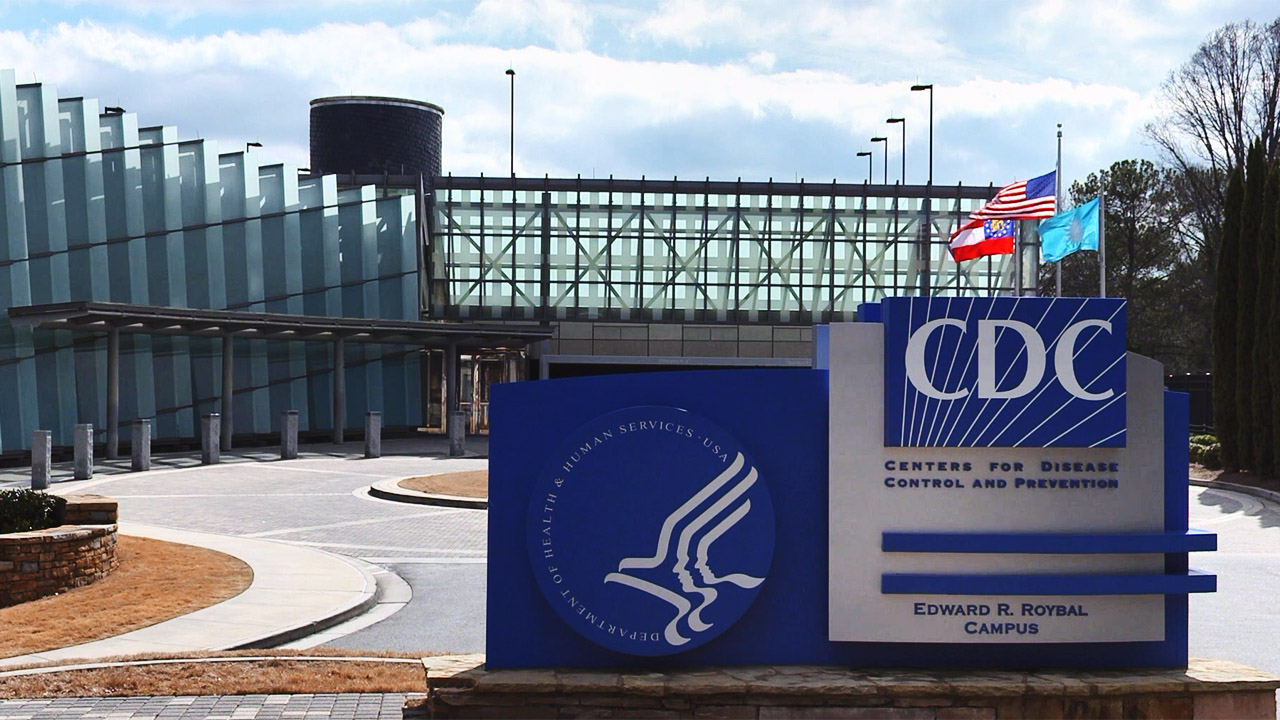

ATLANTA — December 5, 2025 — The Centers for Disease Control and Prevention’s (CDC) Advisory Committee on Immunization Practices (ACIP) has voted 8 to 3 to shift to an individualized, parent-driven decision-making approach for administering the hepatitis B vaccine birth dose to infants born to mothers who test negative for the virus. For babies who do not receive the birth dose, the committee recommends that the first hepatitis B vaccine dose be given no earlier than two months of age.
Under what the CDC calls shared clinical decision-making, parents and healthcare providers are encouraged to weigh the benefits and risks of vaccination, taking into account the infant’s exposure risk. Factors for consideration include household members with hepatitis B or frequent contact with individuals from regions where the virus is more common.
The committee also advised that parents consult with healthcare providers to determine whether antibody testing for hepatitis B surface antigen is appropriate before administering any subsequent vaccine doses, helping ensure adequate protection.

The updated guidance aligns with coverage across public and private insurance programs, including the Vaccines for Children Program, Medicaid, CHIP, Medicare, and plans under the federal Health Insurance Marketplace. Earlier this year, on September 19, ACIP recommended universal hepatitis B testing for all pregnant women—a test covered under all insurance programs.
The decision follows presentations on the U.S. hepatitis B disease burden, vaccine safety, and immunization policies in other nations. Data presented by Dr. Cynthia Nevison highlighted that the universal birth dose’s impact on acute hepatitis B cases is likely limited, citing declines in post-transfusion transmission and improved medical practices. The study also noted that only 0.5% of U.S. pregnancies involve women testing positive for the virus, primarily non–U.S.-born mothers from high-prevalence countries.
Dr. Vicky Pebsworth, chair of the ACIP Childhood/Adolescent Schedule Workgroup, noted that the U.S. remains an outlier among developed countries with low hepatitis B prevalence in recommending a universal birth dose.
“Parents and healthcare providers can now make informed decisions about whether the hepatitis B birth dose is appropriate for their newborns,” said Jim O’Neill, CDC acting director and deputy secretary of Health and Human Services.
Once adopted by the CDC director, the recommendation will be officially added to the CDC immunization schedule.