

By:Eesha Pendharkar-February 5, 2026
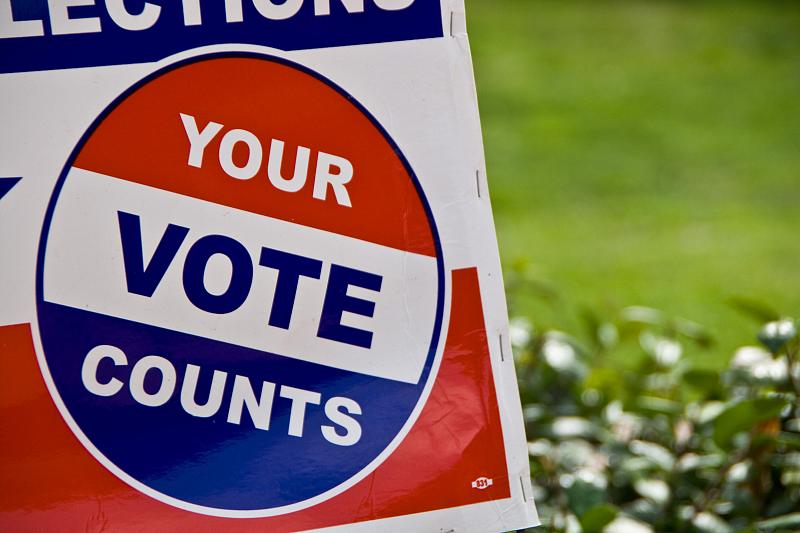
The campaign behind an initiative to roll back Maine’s inclusive policies for transgender athletes said on Monday it has enough signatures to appear on the November ballot.
In a press conference at the State House, the group announced that it collected over 82,000 signatures from Maine voters over the past few months — more than the 68,000 required to put a citizen initiative on the ballot. The signatures still have to be certified by the Secretary of State’s office before the referendum is approved.
Leyland Streiff, lead petitioner and co-lead of the organization Maine Girl Dads, said in a social media video that the 80,000 signatures show “how much protecting girls’ sports means to Maine.”
The ballot question committee behind the campaign has been bankrolled exclusively by midwestern billionaire mega-donor Richard Uihlein, who donated $800,000 to the campaign in October. Uihlein and his wife have funded Republican causes across the country, including donating millions to anti-abortion efforts nationwide.

A coalition led by EqualityMaine, GLAD Law, and the Maine Women’s Lobby to oppose the campaign said that the out-of-state influence is an indicator that the ballot initiative is not about fairness in Maine sports or protecting cisgender girls — as the campaign has purported — but rather to further a conservative political agenda that aims to restrict the rights of trans people nationally.
“This campaign is about a lot more than a handful of Maine kids who play sports,” said David Farmer, spokesperson for the coalition. “This initiative is funded by one of the richest people in the world who is spending enormous amounts of money to promote extreme candidates and extreme ideas.”
If it passes, the proposal would require schools to separate athletic teams, locker rooms, and bathrooms strictly by “biological sex,” forcing trans students to use facilities corresponding to their sex assigned at birth. It would also mandate the establishment of coed teams. It closely mirrors the language of one of the failed legislative attempts to pass similar restrictions last season.
Though several states have similar initiatives aiming for the November ballot, if passed, Maine’s could be among the first to succeed across the country, according to Angela Dallara, director of rapid response and campaigns at GLAAD, a national LGBTQ+ advocacy group.
Ballot measures can be easier to pass compared with bills in the Maine Legislature, she said, because a lot of voters might not understand what’s at stake or might be more susceptible to myths or misconceptions. For instance, Maine Girl Dads and others have argued the proposal would help protect the safety of cisgender girls in bathrooms and locker rooms, although no data has shown that cis girls are at greater risk in bathrooms shared with trans girls.
“Forcing anti-trans ballot measures before voters who may be susceptible to lies and deceptions about transgender people is definitely an intentional tactic that opponents of LGBTQ equality try to leverage if they’re trying to subvert the failed legislative attempts,” Dallara said of citizen initiatives.
In 2018, Massachusetts voters passed a ballot initiative to uphold a 2016 anti-discrimination law that would allow trans people access to public bathrooms and other spaces aligned with their gender identity. That vote passed because “the more time that people have to consider this topic and get to know trans people, the more supportive they become of trans rights,” Dallara said. “That’s the best way to build understanding and defeat anti-trans measures.”
That’s what the local coalition’s efforts will be focused on, said Destie Hohman Sprague, executive director of the Maine Women’s Lobby. The organizations opposing Maine’s ballot initiative aim to push back on the campaign’s argument that it is about fairness in sports and instead “make sure that our communities really understand the threat that this initiative poses.”
Maine gained national attention this spring after Gov. Janet Mills defended the state’s policies in a tense exchange with President Donald Trump. The Maine Department of Education and Greely High School in Cumberland were subject to several federal investigations into alleged violations of anti-discrimination laws for allowing trans girls to play on girls teams. The state is now being sued by the Department of Justice in an ongoing lawsuit for allegedly violating Title IX.
Following Trump’s executive order targeting transgender rights, Republican legislators last year attempted to roll back the decades-old protections included in the Maine Human Rights Act that allow trans students to play on teams and access bathrooms and locker rooms of their choice.
“This law has already been in place for decades and it’s been working fine,” Dallara said. “So the only reason that you know it’s at play now is very much a political tactic. I think opponents of trans equality are trying to roll back existing protections to distract from other issues and create some kind of problem that doesn’t really exist.”