
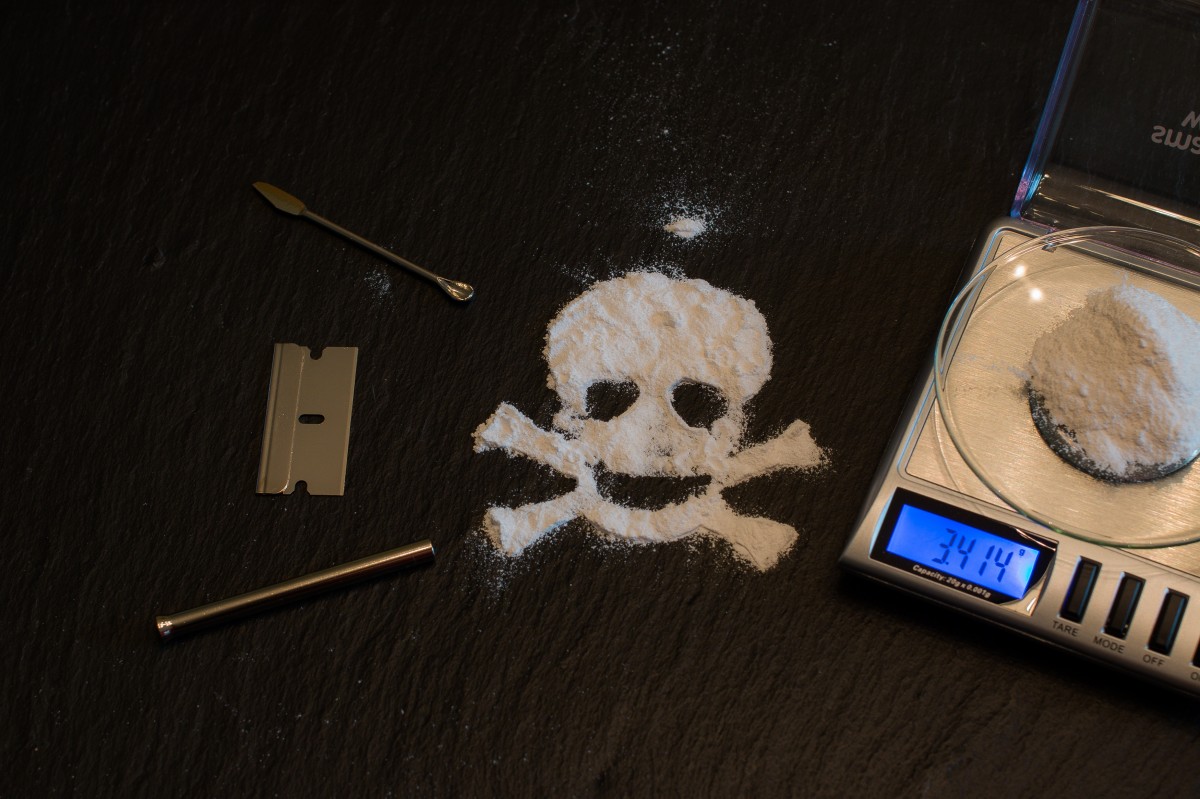

Drugs are evolving again, and a new synthetic drug is now being mixed in street drugs to create an even more powerful drug.
A regional harm reduction organization is warning residents about a dangerous synthetic opioid that has been identified in the illegal drug supply in Northern Kentucky and surrounding states.
According to Solutions Oriented Addiction Response (SOAR), the substance — known as cyclorphine — has recently been detected in the region and may already be circulating locally. The group issued the alert for community awareness, citing an increased risk of overdose. Authorities warn that cychlorphine is approximately 10 times stronger than fentanyl.
Cyclorphine, also referred to as N-propionitrile chlorphine, is classified as a novel synthetic opioid. The Center for Forensic Science Research and Education has identified the compound as part of a growing group of non-fentanyl-related synthetic opioids that have been linked to increases in fatal overdose deaths.

Experts say the drug is structurally different from fentanyl but chemically related to other powerful man-made opioids. It is reported to be even more potent than fentanyl, significantly increasing the risk of respiratory depression and death. At this time, there are no commercially available test strips capable of detecting cyclorphine in street drugs.
SOAR officials warn that individuals may be exposed unknowingly, as the substance has been found mixed with other illicit drugs.
The organization is urging community members to carry naloxone and be prepared to administer it in the event of an overdose. Rescue breathing is also critical, officials emphasized.
Free naloxone kits are available through SOAR’s website, and outreach workers are available in the area to provide supplies and connections to treatment and recovery resources. Individuals are also encouraged to avoid using drugs alone or behind locked doors.
For those who may use substances alone, SafeSpot — a hotline service that remains on the phone during use and contacts emergency services only if the caller becomes unresponsive — is available at 1-800-972-0590.
Anyone seeking harm reduction supplies or linkage to care can contact SOAR outreach workers at 937-830-2139.
Health officials continue to monitor what they describe as “evolving substances” appearing in the drug supply and stress that awareness and preparedness can save lives.