
COLUMBUS — Ohio Governor Mike DeWine announced Wednesday that he is formally requesting the Ohio Board of Pharmacy to immediately classify all synthetic kratom compounds and other kratom-derived chemical substances as illegal drugs through emergency rulemaking.
The move follows a temporary pause as the state evaluated potential federal action on the increasingly popular — and increasingly dangerous — substance.
While DeWine is urging an emergency ban on synthetic kratom, he is also asking the Board to begin the regular rulemaking process to consider scheduling mitragynine, the active compound in natural kratom, as a controlled substance. This longer process would allow for public hearings, testimony, and expert review.
Governor: Synthetic Kratom Poses Immediate Danger
“In reviewing this issue over the past few weeks, national experts, including the FDA, agree that synthetic kratom compounds should be scheduled as illegal,” DeWine said.
He added that while the path is clear for synthetic compounds, he remains deeply concerned about natural kratom and its reported harms, including deaths associated with its use.

Growing Concerns Over Kratom’s Risks
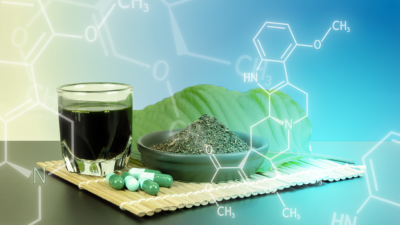
Kratom — a plant native to Southeast Asia — is not approved by the FDA for any medical purpose but is widely sold online and in stores as a treatment for pain, opioid withdrawal, anxiety, depression, and more. Products take many forms, including powders, pills, gummies, and drinks.
As its popularity has grown in the U.S., clandestine labs have altered kratom’s natural chemistry to create powerful synthetic compounds that mimic opioids and carry significantly higher risks. These products, often packaged to appeal to youth, have been linked to:
- Psychosis
- Seizures
- Hallucinations
- Insomnia
- Addiction
- Death
Preliminary data from the Ohio Department of Health shows over 200 kratom-related unintentional overdose deaths in Ohio between 2019 and 2024.
Nationally, reports continue to climb. Poison control centers received 1,690 kratom exposure cases in the first seven months of 2025, already surpassing 2024’s full-year total. The FDA has also documented cases where pregnant mothers used kratom, resulting in newborns suffering neonatal opioid withdrawal syndrome.
Federal Recommendation Prompts Immediate Action
The FDA recently recommended that 7-hydroxymitragynine (7-OH) — a potent kratom compound — be classified as an illegal drug under the federal Controlled Substances Act.
In response, DeWine is asking the Ohio Board of Pharmacy to immediately ban:
- All synthetic kratom compounds
- All other kratom-derived chemical compounds except mitragynine
- Any future synthetic kratom compounds that emerge
He is also recommending that the Board begin the formal process to schedule mitragynine itself, a step that would bring natural kratom under state regulation or prohibition.
Next Steps
Legislation concerning kratom has already been introduced at the Statehouse, and the rulemaking process will allow for full public input on the future of natural kratom use and regulation in Ohio.