

COLUMBUS, OH — A new legislative push could bring wild elk back to Ohio’s forests and expand the state’s footprint in the off-road vehicle industry. State Representative Justin Pizzulli (R-Scioto County) recently delivered sponsor testimony as the House Natural Resources Committee began hearings on House Bill 641, also known as the “Trails to Tails Act.”
If passed, the bill would authorize $3 million for the Ohio Department of Natural Resources (ODNR) to conduct two major feasibility studies aimed at boosting rural tourism and economic development.
The Return of the Elk?
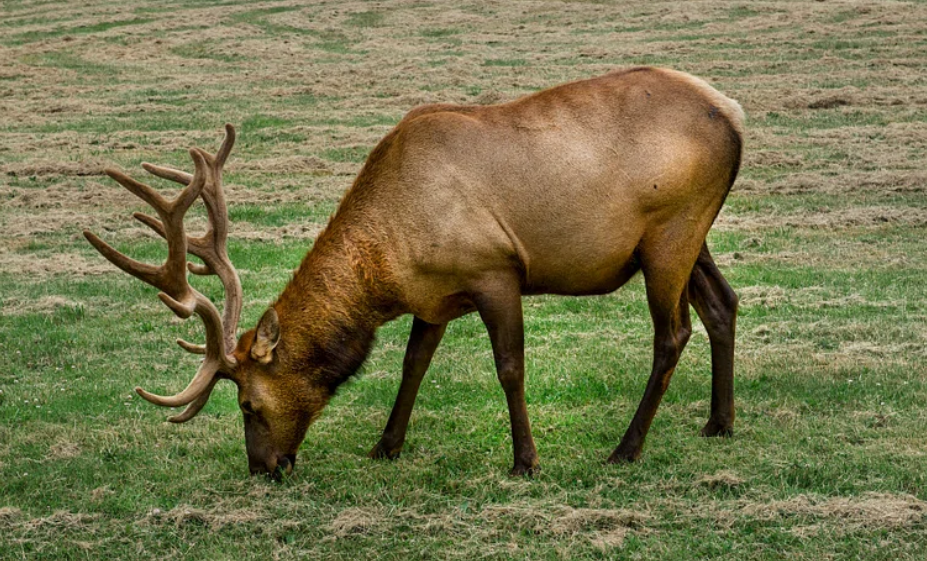
The “Tails” portion of the act focuses on the potential reintroduction of elk into Ohio’s state forests and wildlife areas. While elk were native to the region centuries ago, they were extirpated by the mid-1800s. The ODNR study would evaluate:
- Habitat Suitability: Whether Ohio’s current forests can sustain a healthy population.
- Public Safety: The impact on roadway safety and potential disease risks.
- Agricultural Impact: How roaming elk might affect local farms and crops.
- Local Input: The bill mandates public meetings and written feedback from county commissioners, farm bureaus, and conservation groups.
“Across the country, responsibly managed elk populations have created tourism activity, wildlife viewing, guide services, lodging, and eventually tightly regulated hunting seasons,” Pizzulli stated during his testimony, noting the success of similar programs in neighboring states like Kentucky and Pennsylvania.

Expanding the “Trails”
The second half of the legislation looks to tap into the growing popularity of side-by-side (UTV) riding. The study would explore creating and expanding trail systems across the state, specifically focusing on:
- Environmental Impact: Erosion control and land management.
- Safety Standards: Developing enforcement protocols and emergency access routes.
Pizzulli emphasized that the bill is designed to provide rural Ohio with much-needed economic tools. “This legislation gives the state a chance to evaluate new tools for tourism, small business development, and outdoor recreation while relying on scientific expertise and local input,” he added.
Next Steps
The $3 million appropriation included in the bill would cover the costs of these comprehensive scientific and logistical reviews. The Trails to Tails Act currently awaits further hearings and a potential vote within the House Natural Resources Committee.