

COLUMBUS, Ohio — As Ohio becomes a national hub for the digital infrastructure of the future, State Representative Brian Stewart (R-Ashville) is pushing for a “timeout” to study the consequences.
Rep. Stewart voted Wednesday in support of House Bill 646, a bipartisan effort to establish the Ohio Data Center Study Commission. The bill, which Stewart co-sponsors, passed the House and is now heading to the Ohio Senate.
The “Data Center Boom” by the Numbers
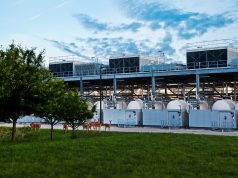
Ohio is currently home to an estimated 200 operating data centers, with dozens more proposed or under construction. While these facilities bring tax revenue, they also bring massive physical footprints that have raised alarms in rural and suburban districts alike.
Rep. Stewart noted that the rapid growth has generated “legitimate concerns” among his constituents in Pickaway and Fairfield Counties.
What the Commission Will Investigate
If signed into law, the Commission would fall under the Department of Development. Members appointed by the Governor and legislative leaders will have six months to dive into several high-stakes issues:
Agricultural Land Use: The conversion of prime Ohio farmland into massive windowless server farms.
Resource Demand: The staggering amount of water needed for cooling and the massive energy load these facilities place on the state’s power grid.
Community Impact: Addressing complaints regarding noise pollution from industrial cooling fans.
National Security: Investigating the ownership and security protocols of facilities housing sensitive data.
Stewart: “A Thorough Review is Necessary”
“A thorough review and investigation… is necessary as they have generated many legitimate concerns in my district and many others,” Stewart said following the vote.
If enacted, the Commission must hold its first meeting within 45 days. Their final report, due six months later, will include legislative recommendations that could fundamentally change how—and where—data centers are built in the Buckeye State.