

CIRCLEVILLE, Ohio — Central Ohio’s water future is coming into sharp focus, and the picture isn’t entirely comforting.
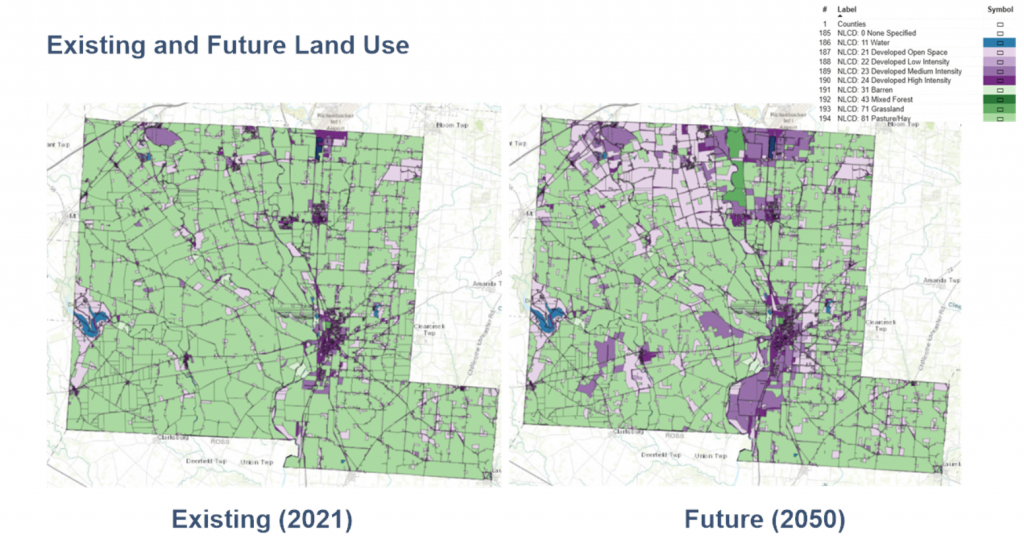
A comprehensive new regional water study released this month warns that explosive population growth, massive new industrial projects (especially data centers), and the need for summer crop irrigation will push many local water systems to the limit within the next 15–25 years. While raw water supplies appear adequate almost everywhere, treatment plants and wastewater facilities are already on track to be overwhelmed in several locations.
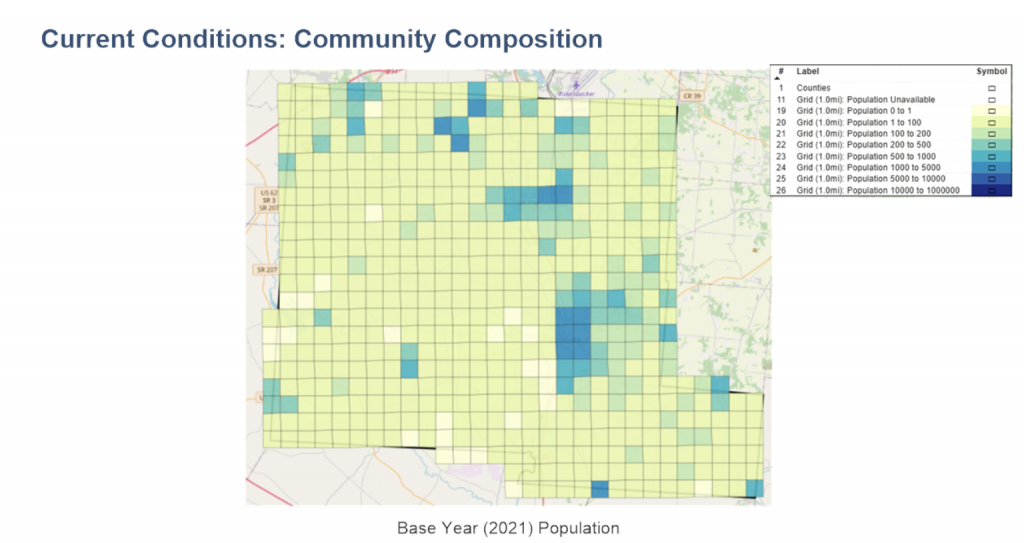
The Central Ohio Regional Water Study — a two-year, multi-agency effort led by the Ohio EPA, Ohio Department of Natural Resources, and Ohio Water Development Authority — modeled water supply, demand, treatment capacity, and water quality across 15 counties through 2050. Hazen and Sawyer, the lead consultant, presented Pickaway County-specific findings this week, and the message was clear: the county has plenty of groundwater and surface water, but its treatment infrastructure is not keeping pace.
“Raw water is not the problem in Pickaway County — treatment capacity is,” said Stephanie Ishii, senior associate with Hazen and Sawyer. “We’re projecting significant gaps at several water and wastewater plants as early as 2040, driven almost entirely by new industrial demand and agricultural irrigation.”Key Takeaways for Pickaway County
- Total sustainable raw water supply: ≈190 million gallons per day (116 MGD groundwater + 74 MGD surface water) — more than enough for foreseeable needs.
- Current total daily demand (2021 baseline): 20.3 MGD
- Projected future demands (2040–2050):
- Industrial demand (largely data-center cooling) surges to 5–8 MGD at major sites
- Current combined water-treatment capacity countywide: only 10.9 MGD — already insufficient if all demands had to be met with fully treated drinking water (they don’t yet, but that could change).
Six Specific Infrastructure “Gaps” Projected for 2040 (Full-Speed-Ahead Scenario)
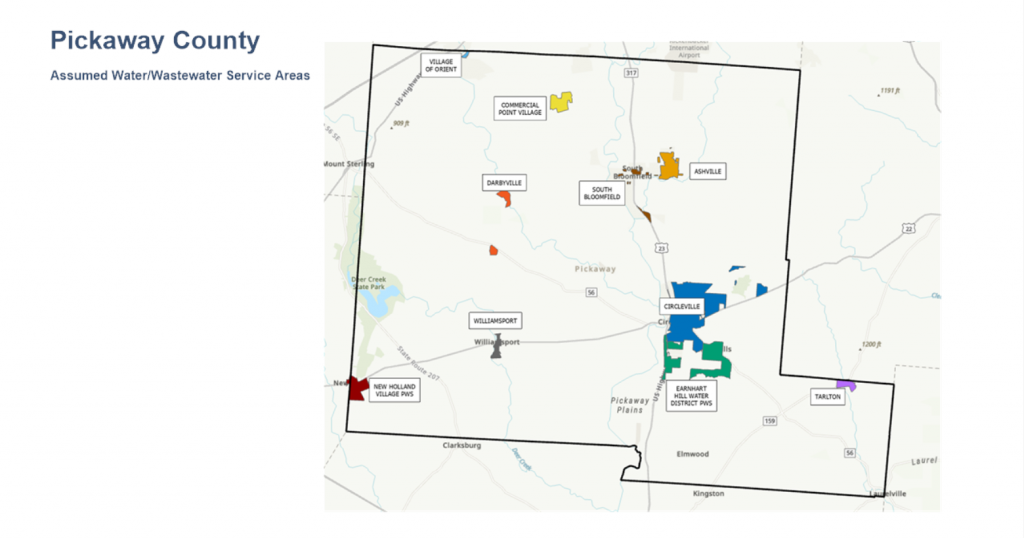
- Commercial Point Water Treatment Plant – 4.73 MGD shortfall (biggest single gap in the county)
- Circleville Water Treatment Plant – 0.22 MGD shortfall, but Circleville is considering an upgrade
- Ashville, Kingston – each nearing or exceeding 80% of permitted capacity
- Two small wastewater plants (Williamsport and Kingston) – minor overflows projected
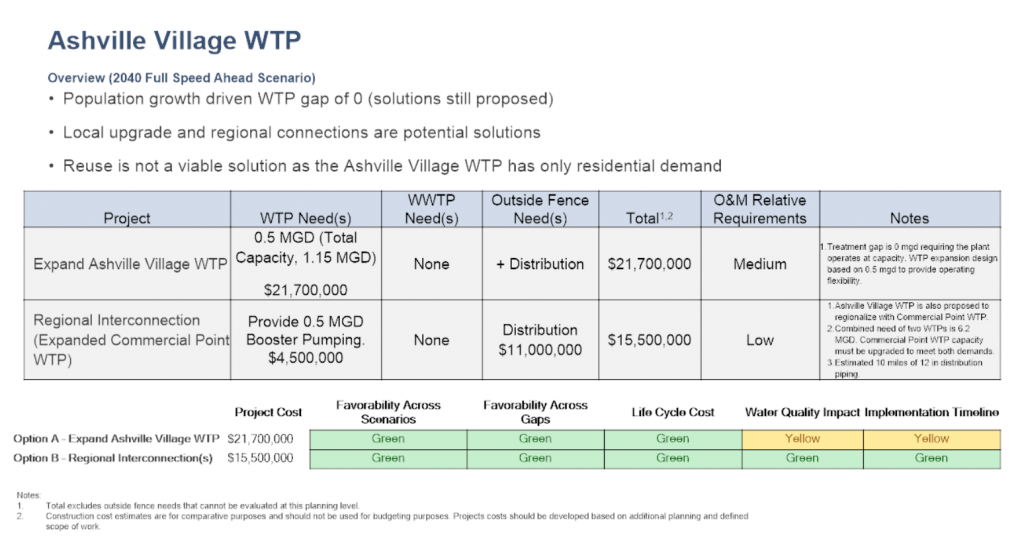
All five gaps are infrastructure-related, not raw-water shortages.
South Bloomfield has updated us with new numbers no on the data that was collected.
“We have constructed a new water treatment plant completed in late 2024 and has a current capacity of 660,000 gallons per day. The plant was built with the ability to reach 1,000,000 per day under existing roof not the 250,000 gallons stated in the chart.
The statement regarding Agricultural irrigation alone jumps by an estimated 20 MGD during July–September we do not supply any agriculture water or believe this would ever be efficient to do when they depend on wells or other sources of raw water for irrigation
The Village of South Bloomfield is connected with the Village of Ashville for emergency water supply in the event either village is in need it is refreshing to read that we are in good shape for the estimated future and our residents can relax knowing this.” C. Joe Allen Village Administrator.
Solutions on the TableThe study lays out dozens of options, ranked by cost, speed, water-quality impact, and how many future scenarios they solve. Top recommendations include:
- Regional interconnections (example: tying Commercial Point and Circleville into Columbus or Earnhardt Hill systems) — scored highest overall
- New standalone treatment plants (most expensive: $24M–$63M each)
- On-site industrial treatment (cheaper for industry, but shifts cost to private sector)
- Water reuse (“purple pipe”) from Columbus’s Southerly WWTP or local plants to supply non-potable industrial cooling
- A possible new regional water plant serving Ashville, Commercial Point, and South Bloomfield together
Water Quality Warning Signs
Even though quantity looks manageable, quality could degrade quickly in high-growth corridors. Watersheds along Big Darby Creek, Deer Creek, and the Scioto River scored “good” to “excellent” today but show high vulnerability to:
- Increased impervious surfaces
- More frequent high-flow storm events
- Longer summer low-flow periods
- Warmer stream temperatures
The study urges immediate adoption of stronger riparian setbacks, updated stormwater ordinances, and fast-tracking “Nine-Element” watershed plans to unlock state and federal protection funding.
Bottom Line
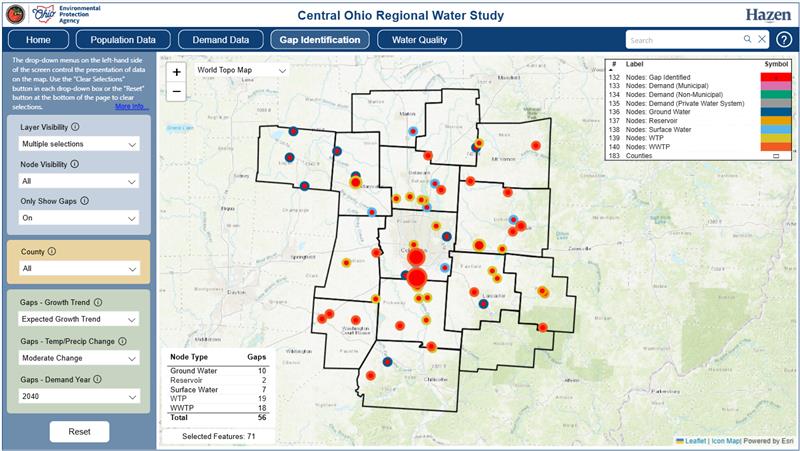
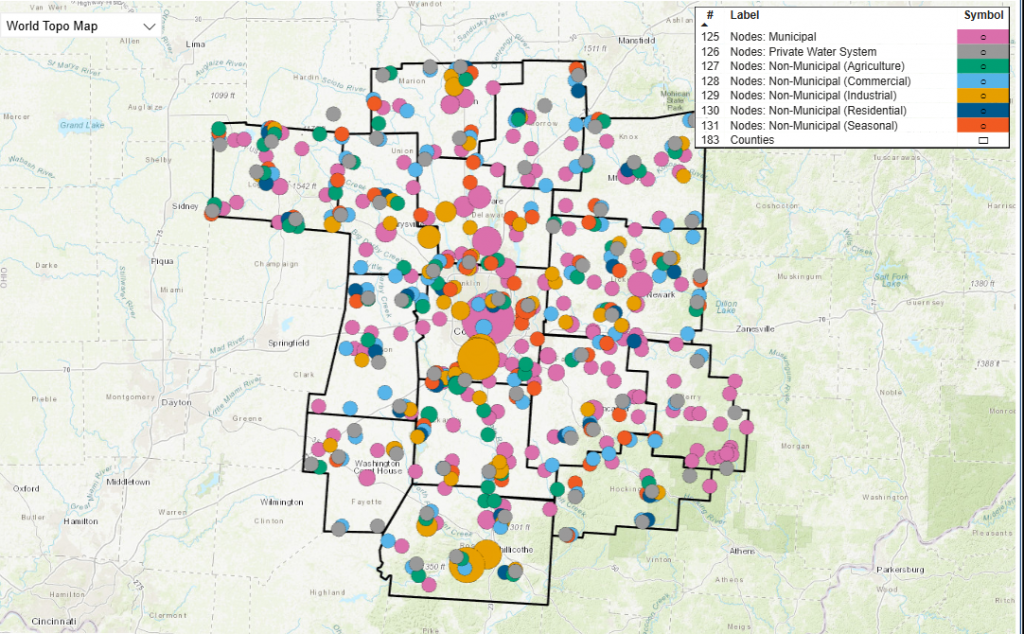
Pickaway County is water-rich but infrastructure-poor. Leaders now have a 25-year roadmap and an interactive online dashboard showing exactly where and when the pinch points will hit.
County officials say discussions with Columbus, regional water districts, and major new industries are already underway. The study gives us the data to make smart, collaborative decisions instead of every community scrambling on its own. If we act in the next 5–10 years, we can avoid crisis-level rate hikes or emergency restrictions down the road. The full Central Ohio Regional Water Study and interactive dashboard are publicly available on the Ohio EPA website. County-by-county presentations continue into early 2026.