
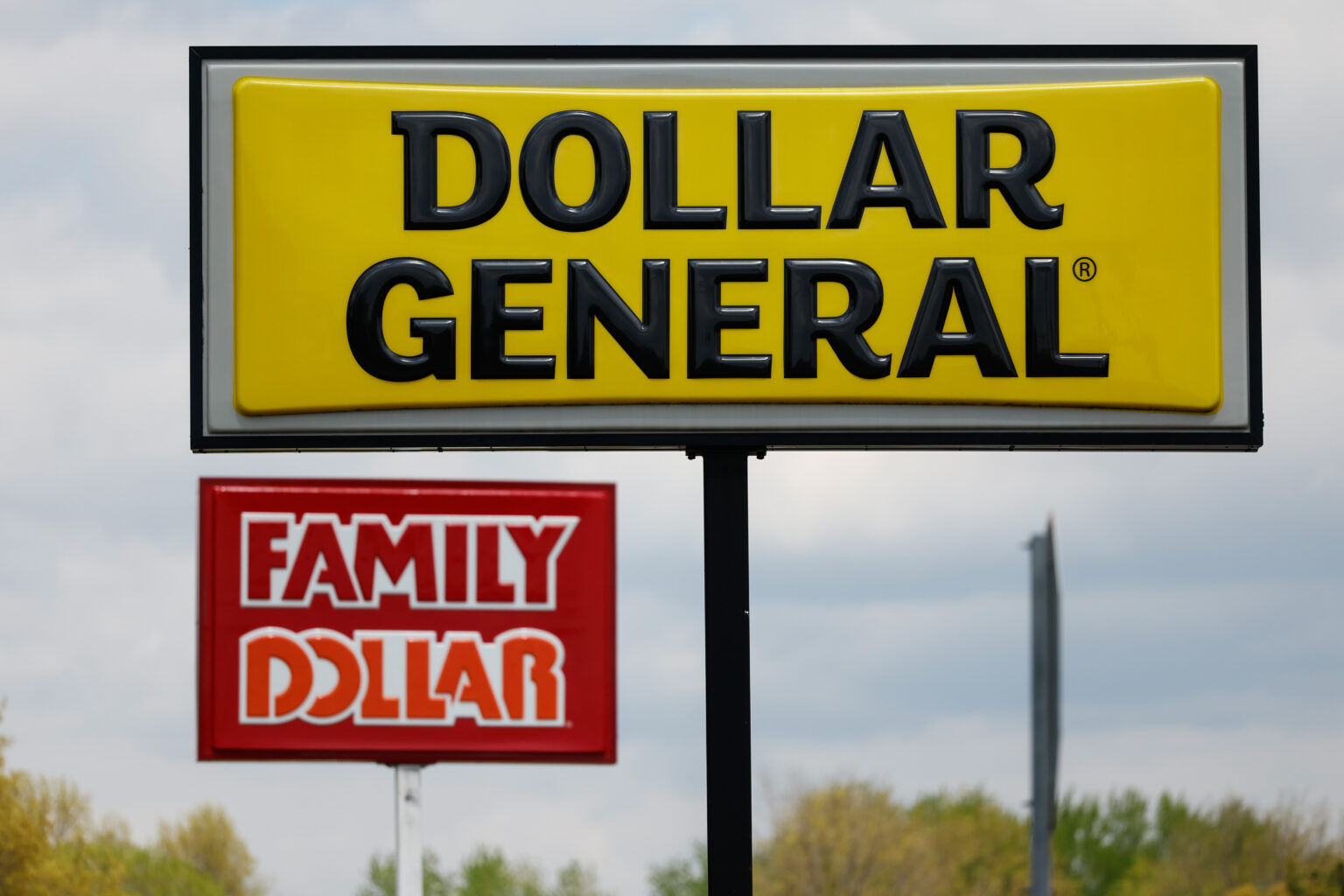

Dollar General is preparing for another major expansion, announcing plans to open more than 450 new stores in 2026 following a solid performance through the first three quarters of fiscal year 2025.
The retailer reported that net sales climbed nearly 5%, driven by increased customer traffic and improved profit margins. The company also made substantial progress on several internal initiatives aimed at boosting growth and efficiency.
“We are especially pleased with the continued progress we are making against our key initiatives and are excited about the opportunities ahead of us at Dollar General, including the 2026 real estate growth plans we announced today,” CEO Todd Vasos said in a Thursday release.
Strong Growth This Year
During the most recent quarter ending in October, the chain:
- Opened 196 new stores
- Remodeled more than 1,100 locations
- Relocated 8 stores
Dollar General had originally projected 575 new stores and thousands of remodels for fiscal year 2025, backed by two major initiatives — Project Renovate and Project Elevate. Roughly 45 stores were also expected to relocate this year.

What to Expect in 2026
In the new year, Dollar General anticipates:
- 450 new stores, primarily in rural communities
- Thousands of remodels
- Nearly two dozen relocations
The company said future stores will feature larger layouts, expanded cooler capacity, and more health and beauty offerings — changes meant to better serve high-demand rural markets.
Closures Not Expected
While Dollar General announced earlier this year that it would close nearly 100 stores following a portfolio review, there is no sign of another round of closures ahead. The retailer currently operates nearly 21,000 locations nationwide, including DG Market, DGX, and pOpshelf formats.
Economic Backdrop
The expansion news came as the University of Michigan’s latest consumer sentiment survey revealed slightly improved U.S. economic confidence. Worries over inflation have eased, with expectations for year-ahead inflation falling from 4.5% to 4.1% — the lowest level since January, when President Trump returned to the White House and began imposing broad tariffs on imports.